
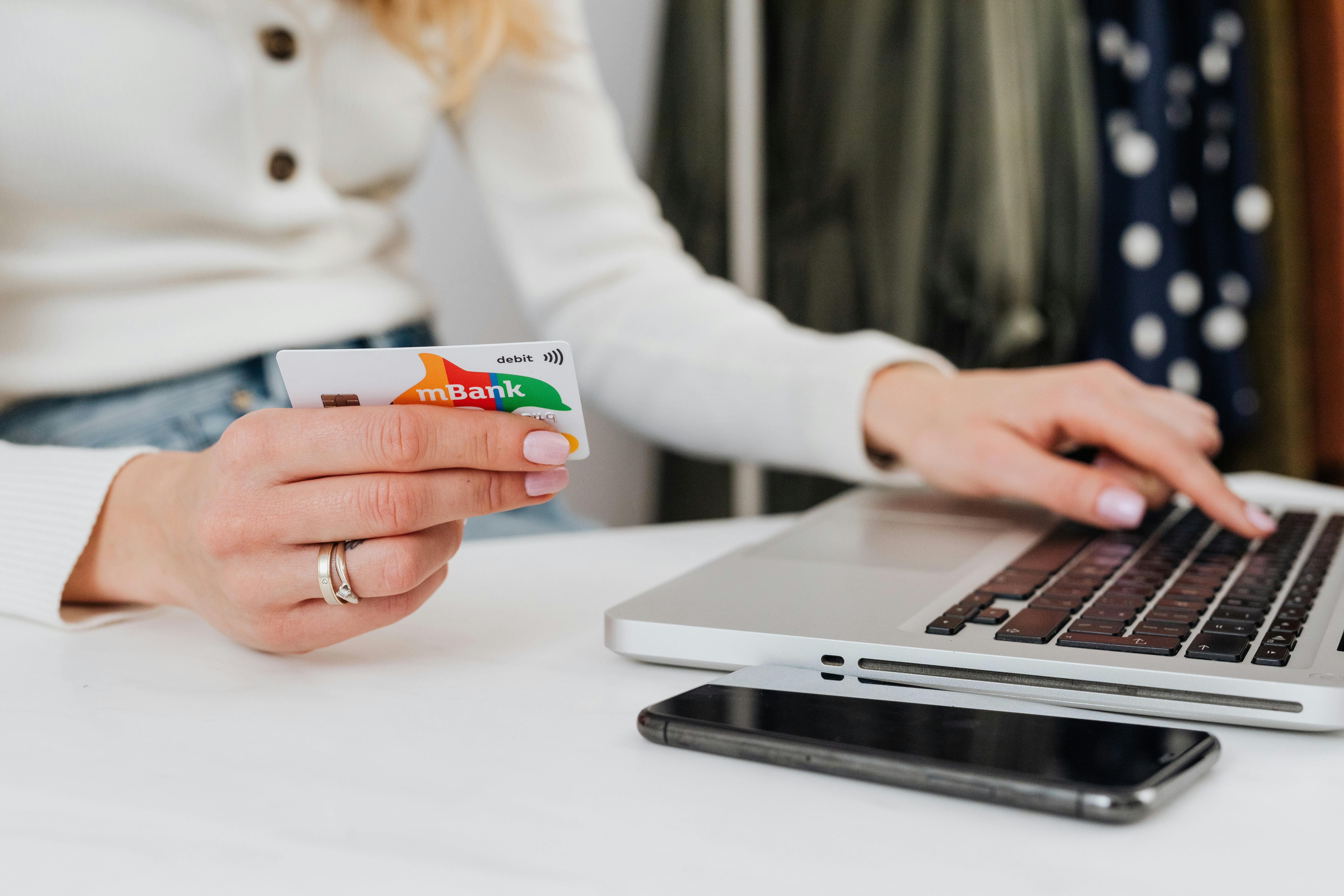
A cashback site does not negotiate a discount. It is paid a commission for delivering a customer and returns part of that payment, which makes it a participant in the retailer's marketing rather than an advocate for the shopper.
Affiliate marketing pays for outcomes
Retailers pay commission only when a referral results in a sale, which makes the channel attractive compared with advertising that is paid for regardless of result.
Commission rates are set by the retailer and vary by category, reflecting margin and how much the retailer values incremental orders.
The cashback site keeps part of the commission and passes the rest to the shopper, competing with other sites on how much it shares.
Tracking determines whether anything is paid
A referral is recorded when the shopper arrives through a tracked link, and the record must survive until the order is completed.
Visiting another site with its own tracking in between can reassign the credit, which is the most common reason a claim fails.
Ad blockers, cookie settings and switching between devices can all break the chain, and the shopper receives no indication at the time.
Holding periods reflect return windows
Payment is delayed until the retailer confirms the order was not cancelled or returned, since commission is not owed on a refunded sale.
Return windows in some categories run for months, and the holding period reflects that rather than any reluctance to pay.
Balances that remain pending long past the stated period usually indicate a tracking problem rather than a delayed payment.
Exclusions are extensive and easy to miss
Gift card purchases, orders using coupon codes from elsewhere, subscription renewals and certain brands are commonly excluded from commission entirely.
Where the retailer earns nothing on the referral, the cashback site cannot pay, so the exclusion is passed through rather than invented.
Reading the terms for a specific retailer takes a moment and prevents the more common disappointments. The exclusions differ between retailers on the same site, so a general familiarity with the rules is not enough.
What the model is good for
The mechanism works best on purchases already decided, where following a link before checkout costs nothing and adds a genuine return.
It works poorly as a browsing tool, because the elevated rates highlighted on such sites reflect commission levels rather than good prices.
A high cashback rate at an expensive retailer still costs more than a low rate at a cheap one, which is the comparison the presentation tends to obscure.