
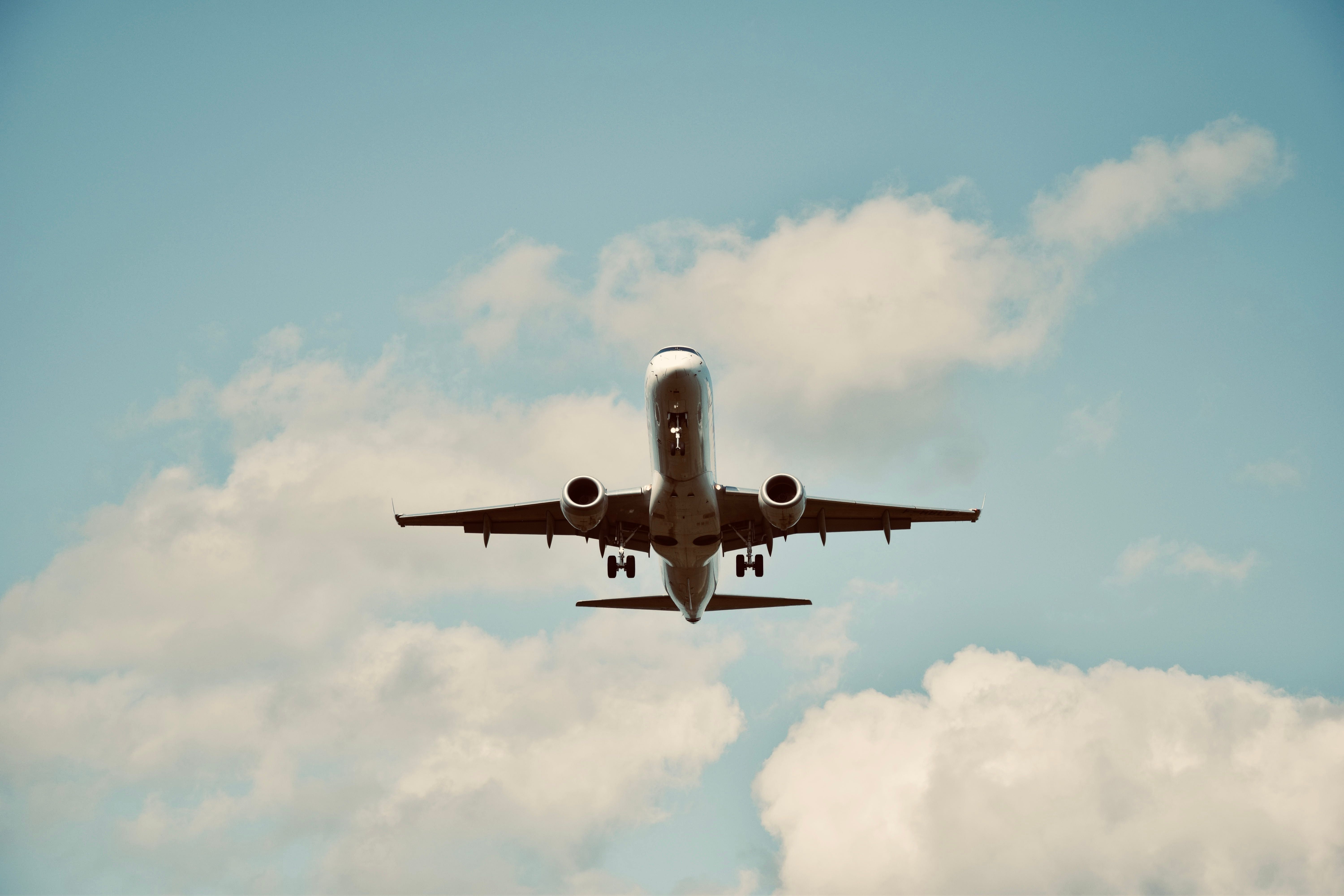
A basic fare buys transport and very little else. The structure exists so the headline price can compete in a search result, with the remaining services sold separately.
Search results reward the lowest number
Travellers compare flights on price lists that sort by fare, and appearing at the top of that list drives a disproportionate share of bookings.
Removing services from the base fare lowers the number that appears there without changing what the airline actually earns per passenger.
Once one carrier does this on a route, others follow, because a bundled fare looks expensive beside an unbundled one even when the total is similar.
Unbundling matches price to use
A traveller with hand luggage only genuinely costs the airline less than one with two checked bags, in fuel, handling and ground time.
Charging separately aligns what each passenger pays with what each passenger consumes, which is defensible in a way the presentation sometimes obscures.
The difficulty is comparison rather than fairness, since two fares are only comparable once the same services have been added to both.
Ancillary revenue is priced dynamically too
Baggage and seat charges are not fixed. They vary by route, by demand and by whether they are bought at booking, at check-in or at the gate.
The gate is consistently the most expensive point, which is deliberate, since the charge there is also a deterrent against oversized cabin bags.
Adding services during booking is almost always cheaper than adding them later, and the gap widens as departure approaches. The airline is pricing certainty as well as the service, since a bag declared in advance can be planned for.
Restrictions carry real cost
Basic fares commonly prohibit changes and refunds, board last, and may be excluded from loyalty accrual or upgrade eligibility.
These conditions cost nothing until plans change, at which point the difference between fare types can exceed the original saving several times over.
Consumer protection rules covering cancellations and delays vary by jurisdiction and change over time, and they apply regardless of fare type in many regions.
Comparing fares on equal terms
Adding the bags, seats and flexibility actually required to each option produces the only comparison that means anything.
Doing so frequently reverses the ranking, since carriers that include more in the base fare start higher and finish lower.
For a traveller who truly needs nothing beyond a seat, the basic fare is exactly what it appears to be and the saving is genuine. The structure only misleads those who assume the ticket includes what tickets used to include.