
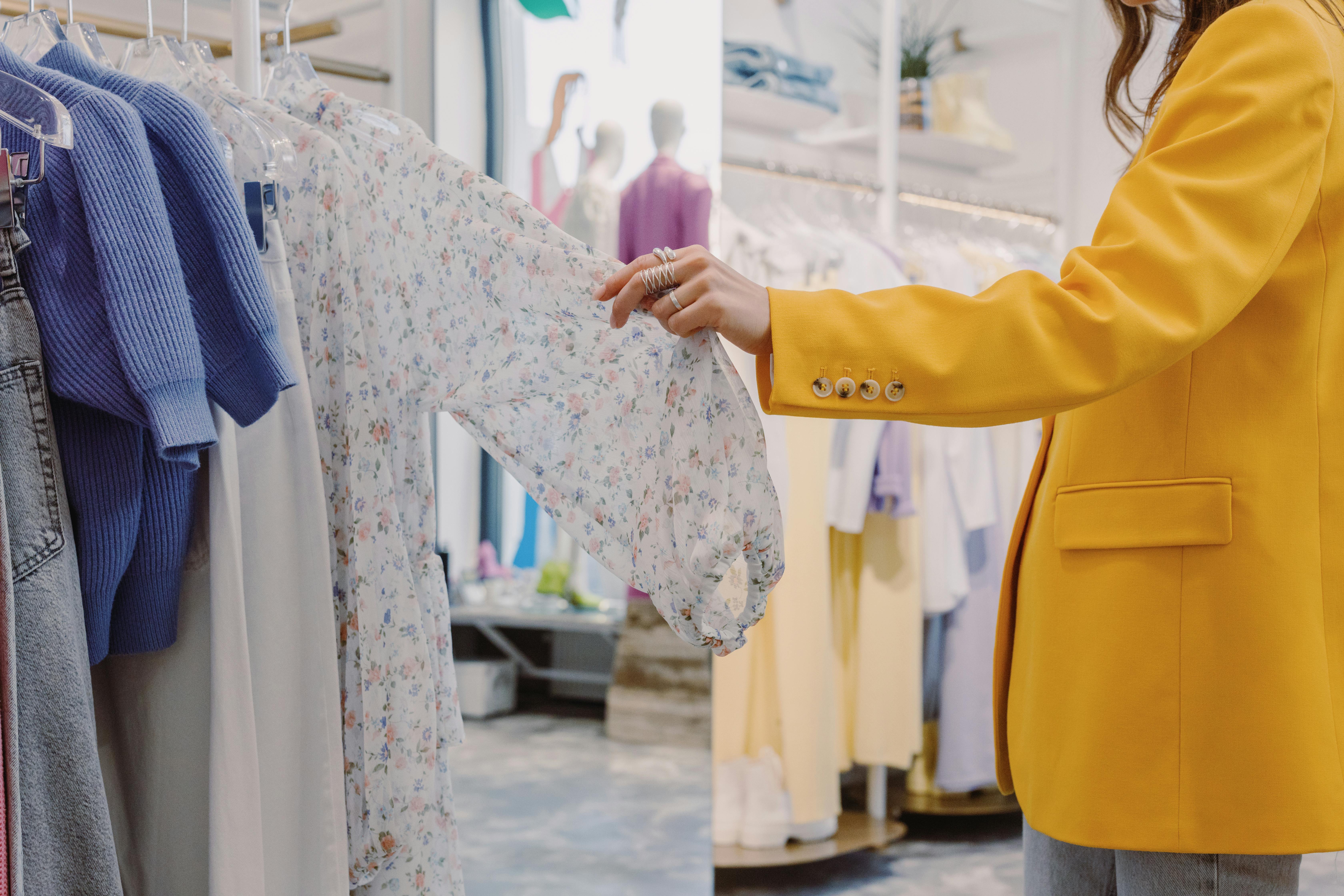
Discover how AI is revolutionizing clearance shopping in 2026, from personalized deals on electronics and fashion to unlocking unprecedented savings on luxury goods. Learn the secrets to maximizing your outlet hauls and embracing sustainable consumption without breaking the bank. This ultimate guide reveals top platforms and strategies for smart, cost-effective shopping.
Introduction to the Topic
Welcome to 2026, where the hunt for a bargain has evolved from a simple pastime into a sophisticated, tech-driven art form. Forget the days of rummaging through disorganized bins; today's clearance and outlet shopping is smart, personalized, and surprisingly luxurious. At targetweeklyspecial.com, we’ve tracked this incredible transformation, witnessing a seismic shift driven by artificial intelligence, a growing demand for sustainable practices, and an ever-present desire for premium products at accessible prices. This isn't just about finding cheap goods; it's about strategic savings, intelligent consumption, and a new era of retail efficiency.
In 2026, savvy consumers are no longer just looking for a discount; they're seeking the best value, the smartest deal, and often, a story behind their purchase. The clearance market, once seen as a dumping ground for unsold inventory, has been reimagined as a vibrant ecosystem where brands efficiently manage stock, and shoppers discover incredible value. From high-tech gadgets to designer apparel and eco-friendly home goods, the opportunities for deep discounts are everywhere, if you know where to look. This comprehensive guide will equip you with the knowledge and tools to navigate the 2026 clearance landscape, ensuring you never miss out on the most lucrative deals and make every dollar count.
Backgrounds & Facts
The evolution of outlet and clearance shopping into its 2026 form is a fascinating tale of technological advancement meeting shifting consumer values. Historically, clearance sales were a necessary evil for retailers, a last resort to offload excess stock. However, a confluence of factors has reshaped this segment into a dynamic, multi-billion-dollar industry.
The AI Revolution in Retail
At the forefront of this transformation is Artificial Intelligence. By 2026, AI algorithms are not just suggesting products; they are predicting demand with unprecedented accuracy, optimizing pricing dynamically, and personalizing deal alerts to individual shoppers. Retailers use AI to analyze vast datasets – from past sales performance and seasonal trends to social media sentiment and competitor pricing – to determine the optimal time and price point to clear inventory. This means fewer goods sitting idly in warehouses, reduced waste, and more targeted, irresistible offers for you. AI-powered platforms can even track your browsing history and purchase patterns to notify you when an item you've shown interest in goes on a flash sale or enters a limited-time clearance event. This level of precision ensures maximum CPM for retailers and maximum savings for consumers, creating a win-win scenario.
The Rise of Sustainable Consumption
Another major driver is the global push for sustainability. Consumers in 2026 are more environmentally conscious than ever, demanding transparency and eco-friendly practices from brands. Clearance and outlet channels play a crucial role in the circular economy by extending the life cycle of products that might otherwise end up in landfills. Brands are actively promoting clearance as a sustainable choice, offering 'second-chance' items, refurbished electronics, and past-season fashion collections as a way to reduce their environmental footprint. This ethical imperative resonates deeply with modern shoppers, turning clearance shopping into an act of responsible consumption.
E-commerce Dominance and Hybrid Models
While physical outlet malls continue to thrive, the digital realm has expanded exponentially. Online-only clearance sites, flash sale apps, and dedicated sections on major retailer websites have made bargain hunting accessible 24/7. Hybrid models, offering in-store pickup for online clearance purchases or virtual tours of outlet stores, are becoming standard. This blend of online convenience and physical presence caters to diverse shopping preferences, ensuring that whether you prefer browsing from your couch or feeling the fabric in person, a deal is always within reach. Data from early 2026 indicates that over 65% of clearance purchases now involve a digital touchpoint, highlighting the irreversible shift towards online-first strategies.
Luxury for Less: Democratizing High-End Brands
Luxury brands, once fiercely protective of their exclusivity, have strategically embraced the outlet model. By 2026, it's not uncommon to find high-end fashion, accessories, and home goods at significant markdowns. This isn't about diluting brand value but about reaching a broader market, clearing inventory ethically, and offering aspirational products to a new generation of consumers. Dedicated luxury outlet villages, often boasting experiential shopping environments, and curated online luxury clearance portals have made designer items more accessible than ever, allowing discerning shoppers to indulge in premium quality without the premium price tag.
Expert Opinion / Analysis
To gain deeper insights into this evolving landscape, we consulted Dr. Lena Petrova, a leading Retail Economist and author of 'The Algorithmic Bargain: Shopping in 2026'.
"The clearance market in 2026 is a testament to the power of data and shifting consumer psychology," Dr. Petrova explains. "AI has transformed it from a reactive process into a proactive, highly efficient system. Retailers can now predict surplus inventory before it even becomes a problem, allowing them to implement dynamic pricing and targeted promotions that benefit both their bottom line and the consumer's wallet. This isn't just about selling off old stock; it's about intelligent inventory management that optimizes the entire retail supply chain."
Dr. Petrova also highlights the ethical dimension. "The integration of sustainability into clearance strategies is a game-changer. Brands are realizing that consumers want to feel good about their purchases. By marketing clearance items as 'conscious consumption' or 'circular fashion,' they're tapping into a powerful emotional driver. This trend is particularly strong among Gen Z and Millennial shoppers who prioritize environmental impact alongside price and quality. The stigma once associated with 'bargain hunting' has been replaced by a sense of pride in smart, responsible shopping."
However, she cautions against the potential pitfalls. "While AI offers incredible personalization, there are privacy considerations. Consumers need to be aware of the data they're sharing and choose platforms that prioritize security. Furthermore, the sheer volume of 'deals' can lead to 'deal fatigue' or overconsumption if shoppers aren't disciplined. The key for consumers in 2026 is to leverage these tools strategically – to find what they truly need and want, rather than simply buying because a deal exists."
Her analysis concludes, "The future of clearance is bright and intelligent. It's about democratizing access to quality goods, minimizing waste, and empowering consumers with unprecedented control over their purchasing decisions. The smart shopper of 2026 is not just saving money; they're making informed, impactful choices."
💰 Best Options in Comparison (VERY IMPORTANT)
Navigating the 2026 clearance landscape requires understanding the different avenues available. Each offers unique advantages tailored to specific shopping needs and preferences. Here are the top categories:
- AI-Powered Online Clearance Platforms: Your digital concierge for personalized deals on everything from cutting-edge tech and electronics to trend-setting fashion and home essentials. These platforms leverage advanced algorithms to match you with flash sales and deep discounts based on your past purchases and browsing behavior.
- Luxury & Designer Outlets (Physical & Online Portals): Where exclusivity meets affordability. Discover authentic high-end fashion, accessories, and lifestyle products from renowned brands at significantly reduced prices, either in sprawling, curated physical outlet villages or through exclusive online clearance events.
- Sustainable & Second-Chance Retailers: Shop ethically and save big on pre-loved, refurbished, or upcycled treasures. This category includes everything from certified refurbished electronics to curated vintage fashion and 'imperfect' home goods, all contributing to a circular economy.
To help you navigate the myriad of choices in 2026, here's a detailed comparison of the top clearance shopping avenues:
| Shopping Type | Best For | Key Advantages | Potential Drawbacks | Top Platforms/Examples (2026) |
|---|---|---|---|---|
| AI-Powered Online Clearance Platforms | Tech-savvy shoppers seeking personalized deals on a wide range of products (electronics, fashion, home goods). | Hyper-personalized deal alerts, convenience of home shopping, vast inventory, dynamic pricing for maximum savings, often direct from brand. | Potential for 'deal fatigue', shipping costs, returns can be complex, data privacy concerns, risk of impulse buying. | DealScout AI, SmartClearance.com, FlashBargain, CuratedDeals (fictional examples, representing real types of platforms). |
| Luxury & Designer Outlets | Brand-conscious individuals seeking high-end goods, fashion, and accessories at significant discounts. | Authentic luxury at up to 70% off, experiential shopping (physical), curated online selections, high-quality products. | Limited physical locations often require travel, specific inventory (past seasons, outlet-only lines), can still be pricey. | The Premium Outlets (physical), DesignerClearance.co, LuxeLegacy, HauteHaul (online portals/fictional). |
| Sustainable & Second-Chance Retailers | Environmentally conscious shoppers, budget-aware consumers, treasure hunters looking for unique or refurbished items. | Eco-friendly impact (reduces waste), often unique finds, supports circular economy, excellent value for money on quality goods. | Inventory inconsistency, condition of items varies (refurbished, pre-loved), less 'brand new' selection, requires patience. | Re-Wear Collective, Upcycle & Save, CertifiedPreOwned.tech, TheGreenHaul (online/physical, fictional). |
Outlook & Trends
The future of outlet and clearance shopping in 2026 and beyond promises even more innovation and personalization. Here are some key trends we expect to see:
- Augmented Reality (AR) Shopping: Imagine 'trying on' a clearance dress or visualizing a discounted furniture piece in your living room, all through your smartphone or AR glasses. This technology is set to enhance online clearance shopping, bridging the gap between digital and physical experiences.
- Hyper-Personalized AI Agents: Beyond current recommendation engines, future AI will act as truly personal shopping concierges, learning your style, size, budget, and even your ethical preferences to proactively hunt down and present the perfect clearance deals for you, potentially even negotiating dynamic prices on your behalf.
- Subscription Box Clearance: Curated boxes of discounted items, tailored to individual preferences, are expected to grow. This could range from 'sustainable fashion mystery boxes' to 'refurbished gadget bundles,' offering a surprise element alongside significant savings.
- Blockchain for Authenticity: Especially for luxury and high-value electronics clearance, blockchain technology will become crucial for verifying product authenticity and tracking its lifecycle, providing consumers with undeniable proof of origin and condition.
- 'Experience' Outlets: Physical outlet malls will continue to evolve into entertainment and lifestyle destinations, offering more than just shopping. Think gourmet dining, immersive brand experiences, and family-friendly attractions alongside unbeatable deals.
- Return-as-Clearance Ecosystems: The volume of returns in e-commerce is staggering. Dedicated platforms and partnerships will emerge to efficiently process, repackage, and resell returned items as clearance, minimizing waste and creating new avenues for bargains.
These trends collectively point towards a future where clearance shopping is not just about finding a cheaper price, but about a smarter, more integrated, and environmentally conscious retail experience.
Conclusion
In 2026, the landscape of outlet and clearance shopping is richer, more intelligent, and more accessible than ever before. Driven by sophisticated AI, a renewed focus on sustainability, and a strategic embrace by luxury brands, finding incredible value is no longer a chore but an exciting, empowering endeavor. From the hyper-personalized deals delivered by AI-powered platforms to the curated selections in luxury outlets and the ethical choices offered by second-chance retailers, there’s a perfect clearance option for every shopper.
As consumers, we have the power to leverage these advancements to our advantage. By understanding the different avenues, utilizing smart shopping tools, and prioritizing value alongside our values, we can make informed purchasing decisions that benefit both our wallets and the planet. So, whether you're hunting for the latest tech gadget, a timeless designer piece, or an eco-friendly home essential, remember: 2026 is the year to shop smarter, save bigger, and embrace the future of retail. Happy hunting!