
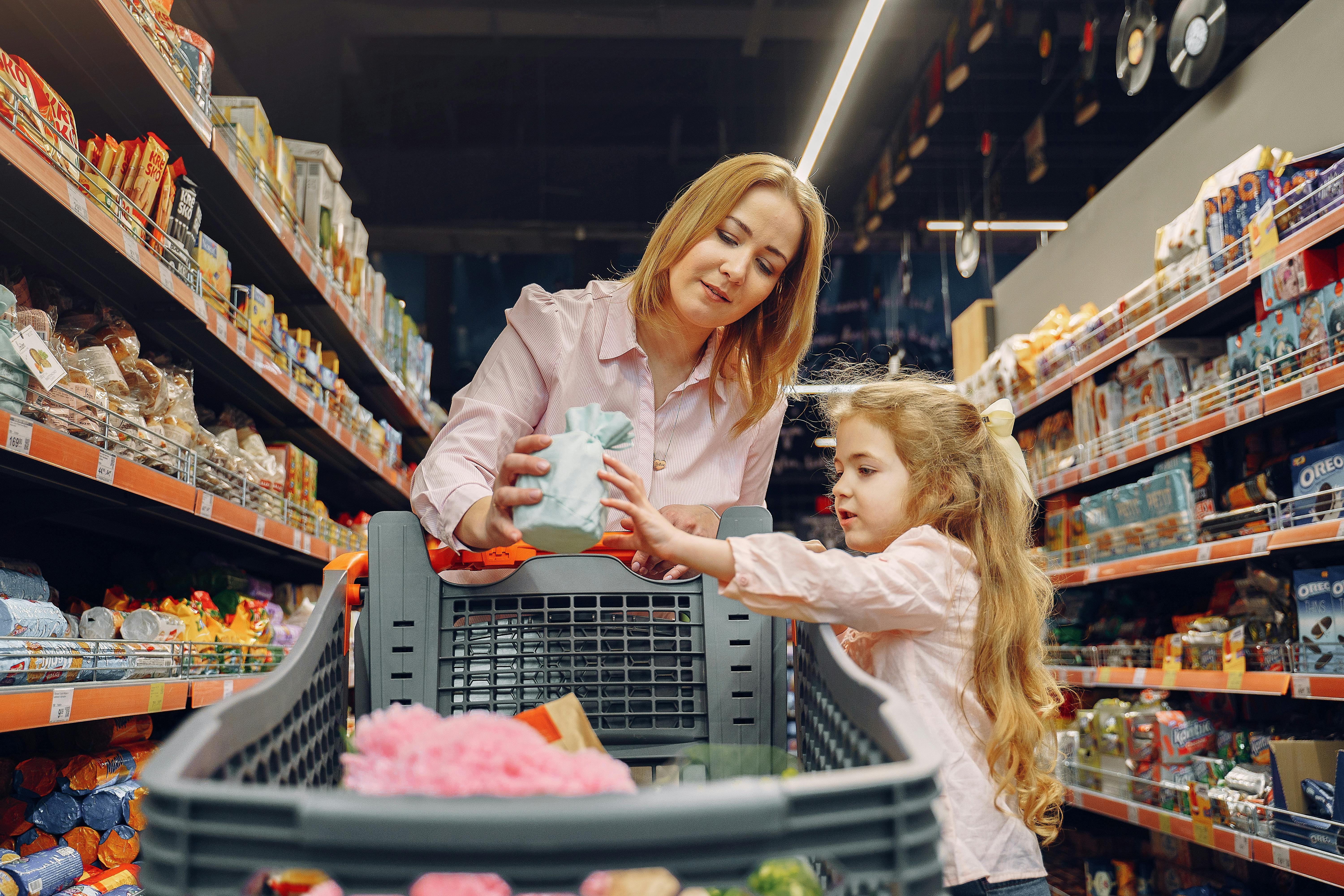
In 2026, grocery prices continue to challenge household budgets across the nation. Don't let inflation eat into your wallet! Discover the ultimate guide to saving money on groceries, comparing the best AI shopping apps, digital coupons, meal kits, and warehouse club deals to maximize your savings and beat rising food costs. Learn how to transform your shopping habits and secure significant discounts on every purchase.
Introduction to the Topic
Welcome to 2026, where the aroma of freshly baked bread still delights, but the price tag often leaves a bitter taste. The cost of living continues its upward trajectory, and for many American households, the weekly grocery run has become a significant financial burden. Global supply chain disruptions, escalating energy costs, and the lingering effects of climate change on agricultural yields have conspired to keep food prices stubbornly high. What was once a routine chore now demands strategic planning, savvy tech utilization, and a keen eye for value.
But fear not, budget warriors! This isn't a tale of doom and gloom. Instead, it's a comprehensive roadmap to reclaiming control over your food budget. In an era where every cent counts, mastering the art of grocery savings isn't just a smart move – it's an essential survival skill. At targetweeklyspecial.com, we understand the pressure you're under, and we're here to equip you with the most effective, cutting-edge strategies and tools to dramatically reduce your grocery bill. From revolutionary AI-powered shopping apps to optimized meal kit subscriptions and a return to smart bulk buying, 2026 offers unprecedented opportunities for the informed consumer to save big. Are you ready to transform your grocery shopping from a drain on your finances into a source of significant savings?
Backgrounds & Facts
The landscape of grocery shopping in 2026 is complex. According to the Bureau of Labor Statistics, food-at-home prices have increased by an average of 3.8% annually over the last three years, far outpacing wage growth for many. This persistent inflation stems from multiple intertwined factors. Extreme weather events, intensified by climate change, have led to unpredictable harvests and higher insurance costs for farmers, directly impacting produce prices. Geopolitical tensions continue to strain international shipping routes, driving up freight costs for imported goods. Furthermore, a persistent labor shortage in the agricultural, processing, and retail sectors means higher wages for workers, which are often passed on to consumers.
The average American household now spends nearly 12% of its disposable income on food, a figure that has steadily climbed from 10% just five years ago. For a family of four, this can translate to over $1,200 a month on groceries alone. This stark reality has spurred innovation and a renewed focus on consumer empowerment. The good news is that technology, combined with traditional wisdom, is offering powerful counter-measures. The rise of sophisticated price comparison engines, personalized digital coupon platforms, and efficient meal planning services means that while prices are high, the tools to combat them are more advanced and accessible than ever before. Consumers who actively engage with these tools are reporting savings of 20% to 40% on their monthly grocery bills, proving that intelligent shopping can significantly mitigate the impact of inflation.
Expert Opinion / Analysis
To gain deeper insight into the evolving world of grocery savings, we spoke with Dr. Evelyn Reed, a leading Consumer Economist at the Institute for Economic Foresight. "The consumer landscape of 2026 demands adaptability," Dr. Reed explains. "The days of blindly filling your cart are over. Today's successful grocery shopper is a strategist, leveraging data and technology to make informed decisions. We're seeing a significant shift towards 'proactive purchasing' – planning meals around sales, utilizing predictive pricing tools, and embracing store brands with renewed confidence."
Dr. Reed emphasizes the role of artificial intelligence. "AI isn't just for predicting stock market trends anymore; it's revolutionizing our grocery lists. Apps that learn your purchasing habits, compare prices across multiple retailers in real-time, and even suggest recipes based on what's on sale are no longer niche – they're becoming mainstream. This personalized approach is key to maximizing savings because it removes the guesswork and the time commitment traditionally associated with coupon clipping and flyer scouring."
She also highlights the psychological aspect. "There's a growing awareness that food waste is financial waste. Consumers are increasingly turning to meal kits not just for convenience, but for portion control and waste reduction. Similarly, the strategic use of warehouse clubs for non-perishables, combined with frequent trips to discount grocers for fresh produce, creates a powerful two-pronged approach. The key message for 2026 is simple: your grocery budget is within your control, provided you're willing to embrace new strategies and the smart tech available."
💰 Best Options in Comparison (VERY IMPORTANT)
Navigating the myriad of grocery saving options in 2026 can be overwhelming. To help you make the best choices for your household, we've broken down the top strategies, comparing their benefits, potential savings, and ideal users. Integrating these methods can lead to substantial reductions in your food expenses.
-
AI-Powered Shopping Apps & Price Trackers
These next-generation apps are your personal grocery assistants. Services like PricePulse AI and SmartCart Optimizer analyze historical price data, predict future price fluctuations, and compare real-time prices across all major local retailers. They can even suggest optimal shopping days, alert you to flash sales, and integrate digital coupons directly into your shopping list. Many offer personalized recommendations based on your purchase history and dietary preferences, ensuring you never miss a deal on your favorite items. This is ideal for tech-savvy shoppers who want to automate their savings and get the absolute lowest price on every item.
-
Subscription Meal Kits
While often perceived as a luxury, meal kits like FreshPlate and BudgetBites have evolved significantly by 2026, offering budget-friendly options that rival traditional grocery costs, especially for smaller households or busy professionals. They minimize food waste by providing exact portions, eliminate impulse buys at the grocery store, and save time on meal planning. Many now feature 'value' or 'budget-friendly' plans that prioritize seasonal ingredients and less expensive proteins. They are perfect for those seeking convenience, portion control, and a structured approach to meal planning without the temptation of extra purchases.
-
Warehouse Clubs & Bulk Buying
The perennial champions of bulk savings, clubs like Costco, Sam's Club, and BJ's Wholesale Club remain indispensable for larger families or those with ample storage space. Membership fees are easily recouped through significant savings on non-perishables, toiletries, frozen goods, and even fresh produce if consumed quickly. The key here is strategic purchasing: only buy in bulk what you know you'll use before it spoils and ensure the unit price is genuinely lower than traditional supermarkets, even after factoring in the membership cost. Ideal for large families, savvy planners, and those with freezer space.
-
Digital Coupon Aggregators & Cashback Apps
Forget physical coupons; 2026 is all about digital. Apps like CouponNexus and RebateRover consolidate thousands of digital coupons from various brands and stores, allowing you to load them directly to your loyalty cards or redeem them instantly. Cashback apps offer post-purchase savings by scanning your receipts, giving you a percentage back on specific items. The trick is to stack these deals – combine manufacturer coupons with store sales and then claim cashback. This strategy is excellent for everyday shoppers willing to spend a few minutes before and after shopping to maximize discounts.
-
Discount Grocers & Strategic Store Brand Purchasing
Retailers like Aldi and Lidl continue to dominate the discount grocery space, offering significantly lower prices by focusing on private labels and a streamlined shopping experience. By 2026, the quality gap between store brands and national brands has virtually disappeared across many categories, making private labels a smart, high-quality, and cost-effective choice. Don't overlook new online platforms that connect consumers with surplus food from local stores at a steep discount, reducing waste and boosting your savings. This is a fundamental strategy for all budget-conscious shoppers.
Comparison Table: Top Grocery Saving Strategies for 2026
| Saving Strategy | Initial Cost/Effort | Potential Monthly Savings | Convenience Level | Best For | Recommended Service/App |
|---|---|---|---|---|---|
| AI Shopping Apps | Low (Subscription possible) | 15-25% | High (Automated) | Tech-savvy, dynamic shoppers, price optimizers | PricePulse AI, SmartCart Optimizer |
| Meal Kit Subscriptions | Moderate (Per-meal cost) | 10-20% (vs. unmanaged shopping) | High (Doorstep delivery, no planning) | Busy individuals/families, waste-conscious, meal planners | FreshPlate, BudgetBites (check budget plans) |
| Warehouse Clubs & Bulk Buying | Membership Fee + upfront cost | 20-35% (on bulk items) | Medium (Requires planning & storage) | Large families, bulk buyers, non-perishables | Costco, Sam's Club, BJ's Wholesale Club |
| Digital Coupons & Cashback | Low (Time investment) | 5-15% (can be higher with stacking) | Medium (Requires active engagement) | Everyday shoppers, deal hunters, brand loyalists | CouponNexus, RebateRover, Ibotta, store loyalty apps |
| Discount Grocers & Store Brands | Low | 20-40% | Medium (May require multiple stops) | Budget-conscious, flexible shoppers, quality-focused | Aldi, Lidl, Trader Joe's, major grocers' private labels |
Outlook & Trends
The future of grocery shopping and savings in 2026 and beyond promises even more innovation. We anticipate a surge in hyper-personalized deals, driven by advanced AI that not only tracks your purchases but also anticipates your needs based on calendar events, local weather, and even your health data (with explicit user consent, of course). Imagine receiving a notification for a discount on allergy medicine and a complementary deal on tissues, just as pollen counts spike in your area.
Sustainable shopping will also become a major saving strategy. The 'circular economy' model for food – where imperfect produce or nearing-expiry items are sold at steep discounts to prevent waste – is gaining traction. Expect more dedicated apps and store sections for these 'ugly' or 'rescue' foods. Furthermore, local sourcing and vertical farming initiatives are projected to bring down the cost of fresh produce in urban areas, reducing transportation costs and environmental impact. Drone delivery for smaller, perishable orders might become more widespread, offering unparalleled convenience and potentially reducing last-mile delivery costs for consumers.
As competition among online grocers and traditional supermarkets intensifies, expect loyalty programs to become even more rewarding, offering exclusive access to flash sales, early bird discounts, and even personalized budgeting tools. The consumer of tomorrow will have an arsenal of tools at their fingertips, making smart grocery shopping less of a chore and more of a strategic game.
Conclusion
The rising cost of groceries in 2026 is a challenge, but it is by no means an insurmountable one. By embracing the innovative strategies and powerful technologies available today, you can transform your grocery shopping experience from a budget drain into a significant source of savings. Whether you're leveraging AI-powered price comparison apps, opting for convenient and waste-reducing meal kits, strategically utilizing warehouse clubs, or diligently stacking digital coupons and cashback offers, the path to substantial savings is clear.
Don't let inflation dictate your dinner table. Empower yourself with these 2026 grocery hacks and join the growing number of smart shoppers who are taking control of their food budget. Start comparing, start saving, and enjoy the peace of mind that comes with knowing you're getting the best value for every dollar spent. Your wallet – and your pantry – will thank you!