
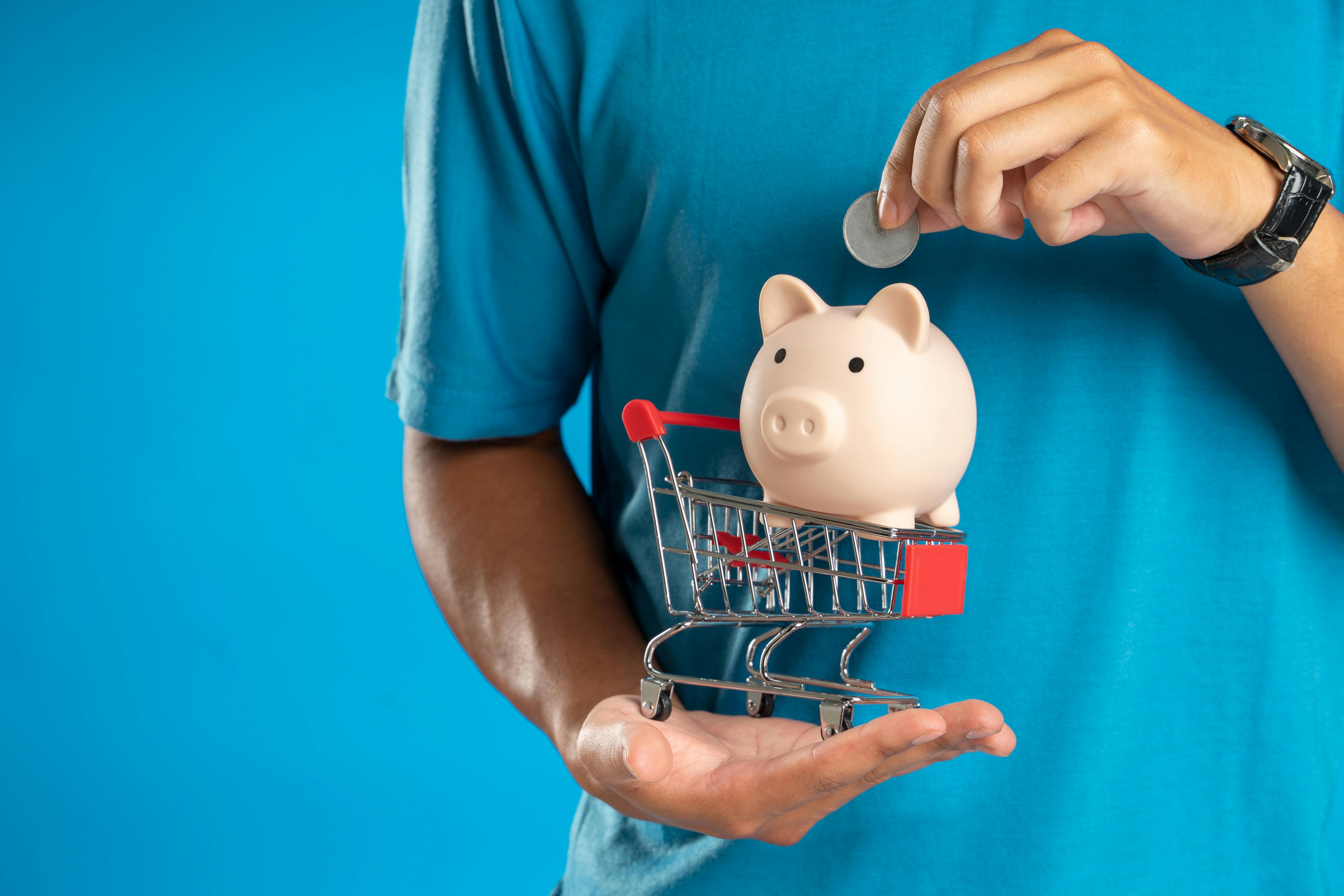
In 2026, grocery prices continue their relentless climb, making smart shopping essential. Discover cutting-edge strategies, AI-powered apps, and expert tips to maximize your grocery savings, reduce food waste, and unlock massive discounts. This guide is packed with actionable advice to help you cut your monthly food budget by up to 50% and shop smarter than ever before.
Introduction to the Topic
Welcome to 2026, where the cost of living feels like a constant uphill battle, and nowhere is this more acutely felt than at the grocery checkout. With global supply chain fluctuations, evolving consumer demands, and inflationary pressures, the average household grocery bill has become a significant financial burden. But what if we told you that not only is it possible to fight back, but you could actually slash your grocery spending by up to 50%? This isn't a fantasy; it's the reality for savvy shoppers leveraging the latest in technology, expert-backed strategies, and a renewed focus on intelligent consumption. At TargetWeeklySpecial.com, we understand the pinch, and we're here to equip you with the ultimate toolkit for grocery savings in the year ahead. Forget outdated coupon clipping; 2026 demands a smarter, more integrated approach. From AI-powered deal finders to optimized meal planning and leveraging advanced loyalty programs, the revolution in grocery savings is here, and it's more powerful than ever before. Get ready to transform your shopping habits and reclaim a significant chunk of your budget.
Backgrounds & Facts
The landscape of grocery shopping has undergone a dramatic transformation in recent years, a trend that only accelerated into 2026. Data from the USDA projects continued volatility in food prices, with certain categories experiencing significant hikes. A recent survey by Consumer Reports indicates that over 70% of households feel their grocery budget is stretched thinner than ever, with an average family spending upwards of $1,200 per month on food. This financial strain is exacerbated by food waste, a staggering problem where an estimated 30-40% of the food supply in the U.S. goes uneaten, translating directly into wasted dollars for consumers.
The rise of online grocery shopping, accelerated by the pandemic and now a dominant force, presents both challenges and opportunities. While convenience is paramount, the temptation for impulse buys and the potential for hidden delivery fees can erode savings. However, the digital shift has also paved the way for sophisticated price comparison tools, personalized deal algorithms, and seamless integration of loyalty programs. In 2026, major retailers like Target, Walmart, and Amazon Fresh are locked in a fierce battle for consumer loyalty, constantly innovating their digital platforms and discount offerings. Understanding these underlying dynamics is the first step towards mastering the art of grocery savings.
Expert Opinion / Analysis
To get the inside scoop on navigating 2026's grocery maze, we consulted Dr. Evelyn Reed, a renowned consumer finance expert and author of 'Smart Spending in a Digital Age.' Dr. Reed emphasizes, 'The biggest mistake shoppers make is going in without a plan. Impulse purchases, especially for highly processed or convenience foods, are budget killers. In 2026, with personalized ads following us everywhere, mental discipline is more crucial than ever.'
Her key advice revolves around three pillars: Strategic Planning, Digital Diligence, and Value-Driven Choices. 'Before you even think about stepping into a store or opening an app, create a detailed meal plan for the week,' advises Dr. Reed. 'Base it around ingredients you already have and sales circulars. This isn't just about saving money; it significantly reduces food waste, which is essentially throwing cash away.' She also highlights the evolving role of technology. 'AI-powered shopping lists that suggest recipes based on current sales, or apps that track your pantry inventory, are no longer futuristic gadgets; they are essential tools for the modern saver. Consumers who embrace these technologies are seeing the most dramatic reductions in their grocery bills. Don't just look for the cheapest price; consider the unit price, nutritional value, and how an item fits into multiple meals to truly assess its value.'
💰 Best Options in Comparison (VERY IMPORTANT)
Navigating the myriad of saving opportunities in 2026 can feel overwhelming, but mastering a few key strategies and leveraging the right tools will put you firmly in control. Here are the top options to turbocharge your grocery savings:
- Advanced Digital Coupon & Cashback Apps (e.g., Ibotta 2.0, Fetch Rewards AI): These platforms have evolved far beyond simple digital coupons. In 2026, apps like Ibotta 2.0 integrate advanced AI to learn your purchasing habits, delivering hyper-personalized cashback offers directly to your phone. Fetch Rewards AI now scans receipts for any eligible product, not just specific brands, turning every purchase into potential points. Many also offer geo-fencing, alerting you to deals when you're near a participating store. The key is to check these apps before you shop and link your loyalty cards for seamless savings.
- Smart Meal Planning & Waste Reduction Tools (e.g., Mealime Pro, FoodKeeper AI): The adage 'fail to plan, plan to fail' rings especially true for grocery budgets. Apps like Mealime Pro offer customized meal plans based on dietary preferences and ingredients you want to use up, often integrating current sales data from local stores. FoodKeeper AI, an evolution of the USDA's original app, now uses image recognition to help you track expiration dates and suggest recipes for items nearing their end-of-life, drastically cutting down on the estimated 30-40% of food wasted annually.
- Strategic Store Choice & Loyalty Programs (e.g., Target Circle 2026, Walmart+ Premium, Kroger Plus 2.0): Gone are the days of passive loyalty cards. In 2026, store loyalty programs are sophisticated ecosystems offering exclusive pricing, personalized discounts, free delivery, and even fuel rewards. Target Circle 2026, for example, offers dynamic weekly deals based on your past purchases, while Walmart+ Premium provides unlimited free grocery delivery and significant fuel discounts. Warehouse clubs like Costco and Sam's Club remain excellent for bulk buying certain staples, but always compare unit prices to ensure genuine savings. Don't be afraid to shop at 2-3 different stores to maximize savings on specific categories – one for produce, another for pantry staples, and a third for meat deals.
- Bulk Buying & Smart Pantry Management: While warehouse clubs are an option, consider smaller-scale bulk buying for non-perishables and frequently used items. Think rice, pasta, canned goods, frozen vegetables, and certain cleaning supplies when they are on deep discount. The key is proper storage to prevent spoilage and having a clear inventory system. Utilize clear containers, label everything, and implement a 'first-in, first-out' (FIFO) system to ensure older items are used before they expire. Only buy in bulk what you know you will consume before it goes bad.
Here's a comparison of these powerful grocery saving strategies:
| Strategy/Tool Category | Key Benefit | Best For | Potential Cost/Effort |
|---|---|---|---|
| Digital Coupon & Cashback Apps (e.g., Ibotta 2.0, Fetch AI) | Hyper-personalized discounts & passive cashback on everyday purchases. | Tech-savvy shoppers, those who buy specific brands, frequent grocery buyers. | Low effort once set up; requires consistent checking for new offers. |
| Smart Meal Planning & Waste Reduction Tools (e.g., Mealime Pro, FoodKeeper AI) | Reduces food waste, optimizes ingredient use, streamlines shopping lists. | Families, budget-conscious individuals, those struggling with food waste. | Moderate effort initially for planning; some apps have premium subscriptions. |
| Strategic Store Choice & Loyalty Programs (e.g., Target Circle 2026, Walmart+ Premium) | Exclusive member pricing, free delivery, personalized deals, fuel savings. | Regular shoppers at specific chains, those valuing convenience & additional perks. | Membership fees for premium tiers; requires managing multiple loyalty accounts. |
| Bulk Buying & Smart Pantry Management | Significant unit price savings on non-perishables and frequently used items. | Larger families, households with ample storage, long-term savers. | Higher upfront cost, requires storage space and diligent inventory tracking. |
Outlook & Trends
Looking ahead, the future of grocery savings in 2026 and beyond promises even more integration and personalization. Expect to see greater adoption of AI-powered shopping assistants that not only generate lists but also compare prices across multiple retailers in real-time, factoring in loyalty discounts and digital coupons automatically. The 'connected kitchen' will become more mainstream, with smart refrigerators tracking inventory and suggesting meal plans or reordering staples when supplies run low, often through subscription services for basic commodities.
Hyper-local sourcing and direct-from-farm models will also grow, potentially offering fresher produce at competitive prices, bypassing traditional supply chains. This could be facilitated by new community-supported agriculture (CSA) models or local delivery networks. Furthermore, gamification of savings will likely evolve, with apps offering more engaging challenges and rewards for hitting savings targets or trying new value brands. The emphasis will increasingly be on a holistic approach – not just finding deals, but optimizing consumption, minimizing waste, and making conscious, sustainable choices that benefit both your wallet and the planet.
Conclusion
The rising cost of groceries in 2026 doesn't have to dictate your budget. By embracing a combination of strategic planning, leveraging cutting-edge digital tools, and making informed choices about where and how you shop, you possess the power to significantly reduce your food expenditures. From the personalized deals offered by AI-driven cashback apps to the waste-cutting efficiency of smart meal planners and the exclusive perks of advanced loyalty programs, the opportunities for grocery savings are more abundant and accessible than ever before. It's time to move beyond traditional coupon clipping and step into the future of smart grocery shopping. Implement these expert-backed strategies today, and watch your grocery bill shrink, freeing up valuable funds for other financial goals. Your wallet – and your peace of mind – will thank you.