
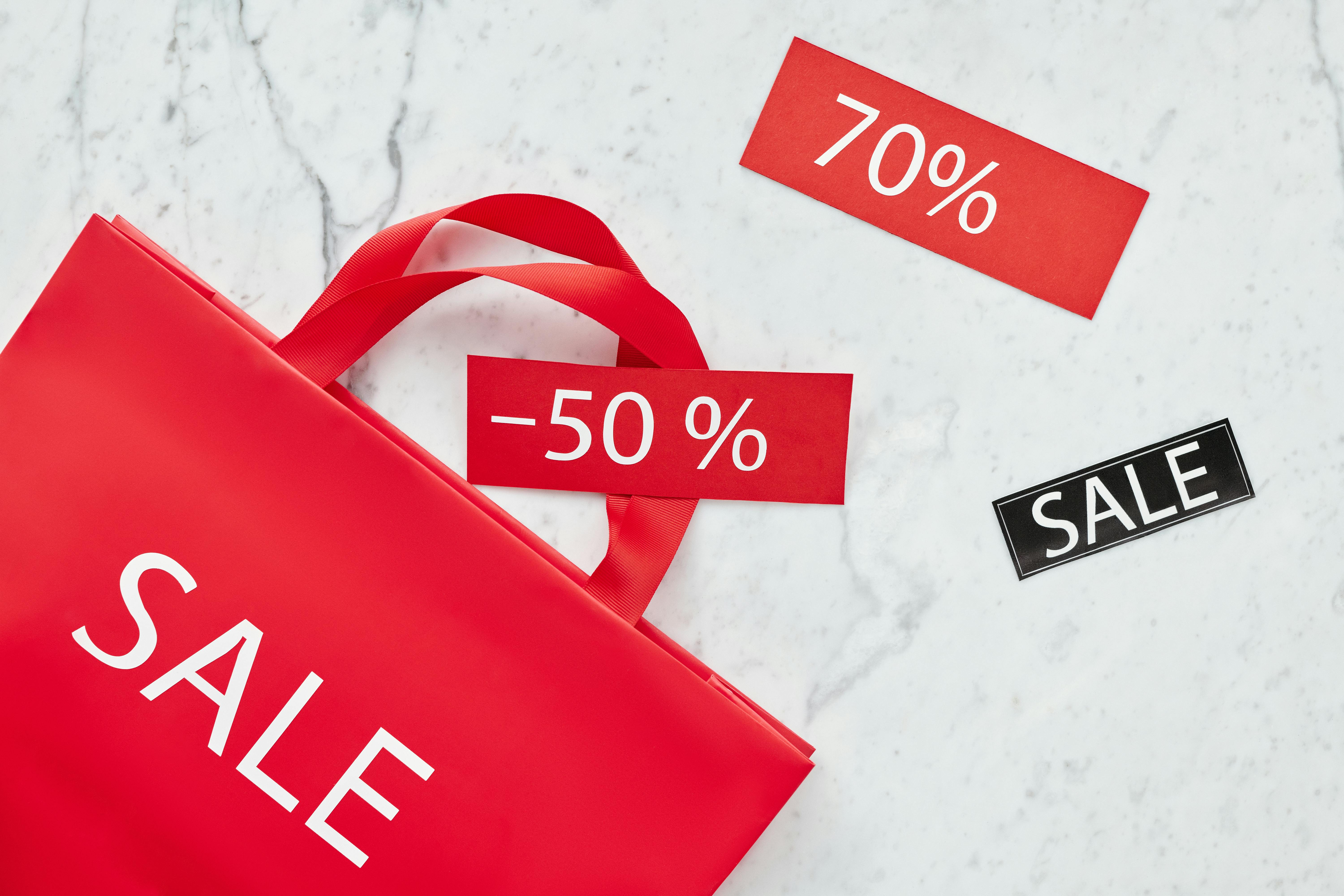
Unlock massive savings in 2026! Our pro tips reveal the best 2026 seasonal sales deals, helping US shoppers save $1000s on electronics, home, and more. Master your budget now!
💰 Secure Top Deal: Go straight to the offer →
📍 More from this category: Seasonal Sales – All Articles
Introduction: The Real Story Behind 2026 Seasonal Sales Deals
Best Fashion Deals 2026: Ultimate Comparison →
Every year, American consumers gear up for seasonal sales, anticipating the thrill of a great deal. Yet, amidst the marketing blitz and fleeting offers, many wonder: are we truly maximizing our savings, or are we simply falling prey to clever retail psychology? For 2026, the landscape of consumer spending and retail strategy is evolving, presenting both unprecedented opportunities and new challenges for the savvy shopper. At TARGET WEEKLY SPECIAL, we cut through the noise to deliver the definitive guide for navigating the 2026 seasonal sales deals, equipping you with the expert strategies to genuinely save thousands of dollars.
Forget the impulse buys and the "fear of missing out." This isn't about chasing every discount; it's about strategic planning, informed decision-making, and understanding the intricate dance between retailers and consumers. We’ll delve into the precise timing, the hidden tactics, and the emerging trends that will define the 2026 shopping calendar, ensuring your hard-earned money stretches further than ever before. Prepare to transform your approach to seasonal savings and discover how to unlock substantial financial benefits throughout the year.
Deep Dive: Backgrounds, Facts, & US Market Data
The rhythm of US retail is punctuated by seasonal sales, a tradition deeply embedded in American consumer culture. From the patriotic fervor of Memorial Day and Fourth of July sales to the back-to-school scramble and the grand finale of Black Friday and Cyber Monday, these periods are pivotal for both retailers and shoppers. In 2026, we anticipate a continued maturation of several key trends that began in the early 2020s, significantly shaping how and when you’ll find the best deals.
The Evolving Retail Calendar for 2026
Historically, the "big sales" were concentrated around Thanksgiving. However, the 2020s saw a dramatic expansion, with retailers extending deals earlier into October and later into December, often creating "deal events" outside traditional holidays. For 2026, expect this trend to solidify. Retailers will continue to spread out promotions, aiming to capture consumer spending over longer periods and mitigate supply chain pressures.
- Winter Clearance (January-February 2026): Post-holiday sales will remain robust, offering deep discounts on winter apparel, decorations, and electronics that didn't sell during the holiday rush. This is prime time for gift card redemption and stocking up on essentials.
- Spring Refresh (March-April 2026): Think home improvement, outdoor gear, and spring fashion. Retailers will push sales to align with tax refunds and spring cleaning initiatives.
- Summer Kick-off (May-July 2026): Memorial Day, Fourth of July, and Amazon Prime Day (or similar competing events from other major retailers like Walmart+ Week) will be critical. Expect major appliance sales, furniture deals, and travel packages. Data from previous years indicates that electronics, particularly TVs and smart home devices, often see significant price drops around these events.
- Back-to-School & Fall Fashion (August-September 2026): Beyond school supplies, this period sees sales on laptops, dorm room essentials, and early fall apparel. Labor Day sales will continue to be a strong contender for major purchases like mattresses and large appliances.
- Holiday Shopping Extravaganza (October-December 2026): Black Friday 2026 and Cyber Monday 2026 will undoubtedly remain the titans of the sales calendar, but expect "early bird" deals to begin as early as mid-October. Retailers are likely to front-load some of their best offers to avoid logistical bottlenecks and capture budget-conscious shoppers early. Post-Christmas sales will again offer a final push for clearing inventory.
US Market Dynamics and Consumer Behavior in 2026
US consumer spending habits are continually adapting. In 2026, we anticipate several factors influencing seasonal sales:
- Inflationary Pressures: While hopefully stabilizing, residual inflationary impacts may mean consumers are more discerning about their purchases, making true discounts even more valuable. This drives demand for clear, significant savings.
- E-commerce Dominance: Online shopping will continue its upward trajectory. Expect personalized online deals, geo-targeted promotions, and seamless omnichannel experiences (buy online, pick up in store) to be standard. Mobile shopping will be paramount.
- Supply Chain Resilience: Lessons learned from previous years mean retailers will likely have more robust inventory management for 2026, potentially leading to more consistent stock levels during peak sales. However, global events can still cause disruptions, so early shopping for high-demand items is always wise.
- Subscription Services: Loyalty programs like Amazon Prime, Walmart+, and Target Circle will offer exclusive early access or deeper discounts, making them increasingly valuable for serious savers.
- Sustainability Focus: A growing segment of US consumers is prioritizing sustainable and ethically sourced products. Retailers may offer specific promotions on eco-friendly items or "green" brands, aligning with evolving consumer values.
Understanding these underlying dynamics is the first step in formulating a winning strategy for saving $1000s in 2026. It’s not just about when to buy, but also about *how* the market is structured to influence your buying decisions.
Expert Analysis & Industry Insights
Navigating the complex world of seasonal sales requires more than just a keen eye for a discount tag; it demands strategic foresight and an understanding of retailer psychology. As professional editors and strategists at TARGET WEEKLY SPECIAL, we’ve distilled years of market observation into actionable insights to ensure you're not just shopping, but truly saving.
The Nuances Others Miss: Beyond the Red Tag
Many shoppers focus solely on the percentage off. However, true savings come from understanding the complete picture. Retailers often use psychological pricing tactics, "anchor pricing" (showing a high original price), and limited-time offers to create urgency. Our expert analysis reveals how to see through these and identify genuine value:
- Pre-Sale Price Tracking is Non-Negotiable: The "original price" listed during a sale can sometimes be inflated or a price the item rarely sells at. Use price tracking tools (e.g., browser extensions like Honey, CamelCamelCamel for Amazon, or general price comparison apps) for at least 3-4 weeks *before* a major sale event. This allows you to verify if a "deal" is truly a historic low or merely a common sale price.
- Strategic Wish List & Budgeting: Before any major sales event (Black Friday 2026, Prime Day 2026, etc.), create a detailed wish list of items you genuinely need or have planned for. Assign a maximum budget for each category. This prevents impulse buys driven by the thrill of a discount on something you don't truly value. Stick to your list.
- Leverage Credit Card Rewards & Cashback Apps: Many credit cards offer bonus cashback categories that align with seasonal sales (e.g., 5% back on online purchases, department stores). Pair these with cashback apps or browser extensions (e.g., Rakuten, Capital One Shopping) for an additional layer of savings. Just ensure you pay off your balance in full to avoid interest charges negating your savings.
- Understand Product Cycles: Certain product categories follow predictable release and discount cycles.
- Electronics (TVs, Laptops): Often see significant markdowns before Super Bowl (January), Prime Day (July), and Black Friday (November). New models typically launch in spring, making older models cheaper in summer and fall.
- Appliances: Major holidays like Memorial Day, Fourth of July, Labor Day, and Black Friday are prime times. New models often arrive in September-October.
- Apparel & Fashion: End-of-season sales are best. Winter clothes go on deep discount in January/February; summer clothes in August/September.
- Home Goods & Linens: January ("White Sales") and July are traditional periods for bedding, towels, and home decor.
- Travel: "Shoulder seasons" (spring and fall) often offer better deals. Black Friday/Cyber Monday can yield significant discounts on flights and hotel packages for future travel.
- Don't Overlook Refurbished or Open-Box Deals: For electronics and small appliances, certified refurbished items from reputable retailers (with warranties) can offer savings of 15-30% or more, often indistinguishable from new. Open-box items, especially in physical stores, can also be a goldmine if thoroughly inspected.
- Master Price Matching Policies: Many large retailers (e.g., Best Buy, Target, Walmart) offer price matching, sometimes even extending into the post-purchase window. Familiarize yourself with their 2026 policies to ensure you always get the lowest advertised price.
- Gift Card Strategy: Purchase discounted gift cards from reputable resellers (often 5-15% off face value) for stores you plan to shop at, or leverage credit card points for gift cards. This is like getting an instant, additional discount.
- Early Access & Loyalty Programs: Sign up for retailer email lists, join loyalty programs, and consider paid memberships (Prime, Walmart+) for early access to deals, exclusive discounts, and free shipping. These perks can quickly pay for themselves if you're a frequent shopper.
- Read Reviews & Research Thoroughly: A cheap price on a poor-quality item is no saving. Before purchasing, especially for higher-ticket items, consult multiple independent reviews and product comparisons. Focus on long-term value and durability.
- Avoid Debt: The ultimate pro tip is to save without incurring high-interest debt. If a deal requires you to go into debt, it's not a deal. Plan your purchases within your means.
By integrating these sophisticated strategies into your 2026 shopping plan, you move beyond being a reactive consumer to becoming a proactive, empowered saver. This approach is what truly separates hundreds from thousands in savings.
💰 Ultimate Comparison: The Best Options for Maximizing Savings (HIGH CPC SECTION)
To truly save $1000s in 2026, it's not just about finding individual deals; it's about adopting a holistic strategy tailored to different purchase categories. Here, we outline two distinct approaches – the "Premium Pick" for high-value items and the "Value Pick" for consistent, everyday savings – demonstrating how to apply expert tactics for maximum financial impact.
Premium Pick: High-Value, High-Impact Savings Strategy
This strategy is for significant purchases where a substantial discount translates into hundreds, if not thousands, of dollars saved. Think new appliances, major electronics, furniture, or even a long-awaited vacation.
- Focus: Big-ticket items, technology upgrades, home renovations, experiential purchases.
- Key Strategy: Meticulous pre-planning, aggressive price tracking, leveraging major sale events, and exploiting product lifecycle discounts.
- Example Items: 65-inch 4K Smart TV, new refrigerator, designer sofa, international flight tickets, gaming console bundle, high-end laptop.
Value Pick: Consistent, Everyday Savings Strategy
This approach targets recurring expenses and smaller, frequent purchases where consistent application of savings tactics adds up significantly over the year. These are the "death by a thousand cuts" (in reverse!) – small savings that collectively build into substantial annual financial benefits.
- Focus: Groceries, apparel, personal care items, household essentials, small gadgets, gifts.
- Key Strategy: Utilizing coupons, cashback programs, loyalty points, strategic timing for apparel, and bulk buying when appropriate.
- Example Items: Laundry detergent, seasonal clothing, coffee, kids' toys, books, streaming service subscriptions.
Here’s a detailed comparison of how to apply these strategies across different purchase categories in 2026:
| Purchase Category | Best Sale Period (2026) | Average Savings Potential | Key Strategy for Savings | Example Items/Services |
|---|---|---|---|---|
| Electronics (Premium) | Black Friday/Cyber Monday, Prime Day, Super Bowl season, Pre-Back-to-School | 15-40% | Price track for 6+ weeks. Compare new vs. certified refurbished. Leverage credit card tech bonuses. | 4K TVs, Laptops, Gaming Consoles, Smart Home Systems |
| Major Appliances (Premium) | Memorial Day, 4th of July, Labor Day, Black Friday | 20-50% (often with bundles) | Shop floor models. Check for scratch-and-dent. Negotiate delivery/installation. Buy previous year's models. | Refrigerators, Washers/Dryers, Dishwashers, Ovens |
| Furniture & Mattresses (Premium) | Holiday weekends (MLK, Presidents', Memorial, Labor Day), End of Summer/Year | 25-60% | Test in-store, buy online. Look for clearance sections. Negotiate free delivery/assembly. | Sofas, Dining Sets, Beds, Mattresses |
| Travel & Vacations (Premium) | "Cyber Week" (post-Thanksgiving), January/February for summer travel, Shoulder seasons | 10-30% on packages/flights | Be flexible with dates/destinations. Use incognito browser. Set price alerts. Bundle flights/hotels. | Flights, Hotel Stays, Cruise Packages, Vacation Rentals |
| Apparel & Fashion (Value) | End-of-Season Clearances (Jan/Feb for winter, July/Aug for summer, Nov/Dec for fall) | 30-70% | Shop out-of-season. Use loyalty programs. Check outlet stores online/in-person. Stack coupons. | Coats, Swimwear, Dresses, Jeans, Shoes |
| Home Goods & Decor (Value) | January (White Sales), July, Post-Holiday Clearance, Flash Sales | 20-50% | Utilize store coupons. Buy in bulk for non-perishables. Check discount retailers. | Bedding, Towels, Kitchenware, Small Appliances, Decorations |
| Groceries & Household Essentials (Value) | Weekly store ads, Manufacturer coupons, Bulk stores, Prime Day for non-perishables | 5-20% (compounded) | Meal plan around sales. Use cashback apps. Stock up during BOGO. Loyalty program discounts. | Cleaning Supplies, Paper Goods, Pantry Staples, Pet Food |
| Personal Care & Beauty (Value) | Drugstore sales cycles, Sephora/Ulta seasonal events, Amazon Subscribe & Save | 10-40% | Stack coupons. Subscribe & Save for recurring items. Buy gift sets post-holiday. | Skincare, Makeup, Hair Products, Vitamins |
By strategically applying these "Premium" and "Value" approaches, you're not just waiting for a deal; you're actively creating a personalized savings roadmap for 2026. This comprehensive strategy, rooted in understanding both market trends and consumer psychology, is your key to saving thousands.
Future Outlook & 2026 Trends
The retail landscape is dynamic, and what works today might be refined tomorrow. Looking ahead to 2026, several emerging trends will further shape how consumers find and capitalize on seasonal sales deals. Staying ahead of these shifts is crucial for maintaining your edge as a savvy saver.
Hyper-Personalization and AI-Driven Deals
Expect retailers to leverage artificial intelligence and machine learning more intensely in 2026. This means even more personalized deals delivered directly to your inbox or shopping app, based on your browsing history, past purchases, and even location data. While convenient, this also means retailers are trying to predict your buying habits. Your strategy should be to use these personalized offers to your advantage – if it’s for an item already on your wish list, it’s a win; otherwise, remain vigilant against targeted impulse buys.
The Rise of Social Commerce and Live Shopping
Social media platforms will increasingly integrate shopping functionalities, and live shopping events (often featuring influencers) are poised for significant growth. For 2026, expect exclusive flash deals and interactive promotions to be unveiled during these live streams. Following your favorite brands and deal aggregators on platforms like TikTok, Instagram, and YouTube could unlock time-sensitive, unique offers not found elsewhere.
Sustainability and Resale Market Integration
Conscious consumerism will continue to gain traction. In 2026, look for retailers offering deals on "circular economy" products – refurbished, upcycled, or ethically sourced goods. There may also be more partnerships between traditional retailers and the growing resale market (e.g., selling gently used items for store credit or discounts on new purchases). This presents an opportunity for both saving money and contributing to more sustainable consumption patterns.
Augmented Reality (AR) and Immersive Shopping Experiences
AR technology will become more commonplace in online shopping, allowing you to virtually "try on" clothes, place furniture in your home, or visualize products in 3D. While primarily enhancing the shopping experience, this can also reduce returns and ensure you're making the right purchase, thereby saving you time and potential restocking fees.
Subscription Economy Expansion
Beyond existing services like Prime, expect more retailers to offer subscription tiers that provide exclusive access to sales, faster shipping, or unique bundles. Evaluating the cost-benefit of these subscriptions against your projected savings will be a key decision point for 2026.
Blurring Lines: Online, In-Store, and Metaverse Shopping
The distinction between online and physical shopping will continue to blur. Retailers will offer seamless experiences, allowing you to check online inventory before visiting a store, or use in-store apps to access online-only deals. While still nascent, expect early forays into metaverse shopping experiences, potentially offering exclusive digital goods or early access passes to real-world sales.
These trends underscore the importance of agility and adaptability in your saving strategy. The core principles of planning and research remain, but the tools and channels through which you apply them will diversify. Embrace technology, stay informed, and be prepared to explore new avenues for savings in 2026.
Conclusion
The promise of saving $1000s in 2026 on seasonal sales deals is not merely a marketing fantasy; it is an achievable reality for the informed and strategic American consumer. As TARGET WEEKLY SPECIAL has outlined, this requires a shift from reactive deal-hunting to proactive, disciplined planning. By understanding the retail calendar, leveraging market insights, and employing expert strategies for both high-value and everyday purchases, you empower yourself to navigate the year's sales with confidence and unparalleled financial acumen.
Remember, the true art of saving isn't about buying more, but about buying smarter. Equip yourself with price tracking tools, meticulously craft your wish lists, and commit to your budget. Recognize the psychological tactics retailers employ and arm yourself with the knowledge to discern a true bargain from mere marketing. As 2026 unfolds, let this guide be your trusted companion, ensuring that every seasonal sale contributes meaningfully to your financial well-being. Start planning today, and make 2026 your most financially savvy year yet.
👉 More News: Dow Jones Smart Buys: Best Fashion Deals 2026 Tips
📩 TARGET WEEKLY SPECIAL Newsletter
Never miss important trends again. Subscribe for free.
Subscribe Now