
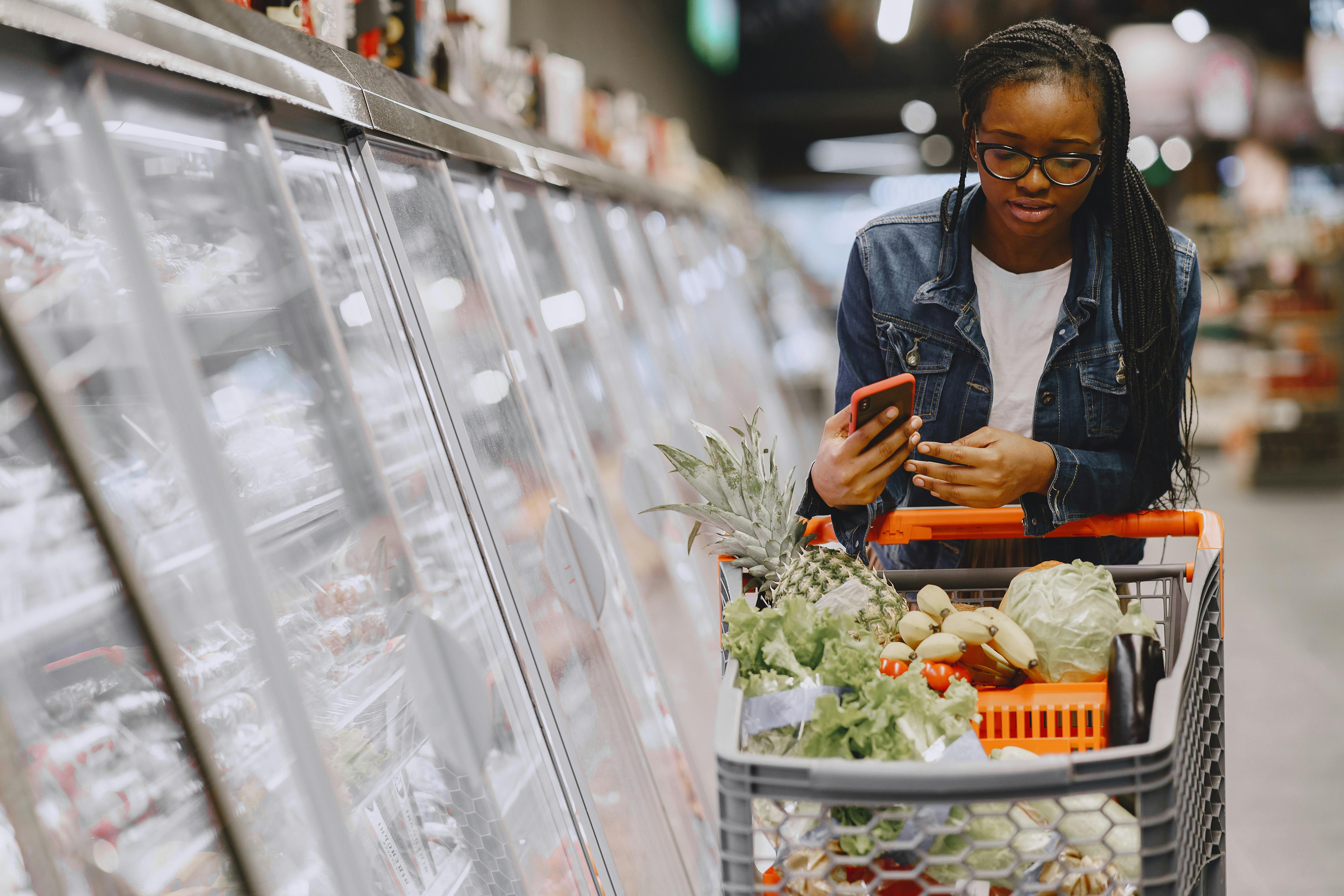
In 2026, as grocery prices continue their upward climb, mastering grocery savings is no longer optional – it’s essential. Discover the most effective strategies, from cutting-edge AI shopping apps and smart meal planning to maximizing loyalty programs and strategic bulk buying, designed to slash your food budget and protect your wallet from inflation. Our expert guide compares the best options to help you save thousands annually on your grocery bill.
Introduction to the Topic
Welcome to 2026, where the cost of living feels like it's perpetually on an escalator heading skyward. Among the many household expenses that pinch our wallets, grocery bills stand out as a significant and often unpredictable drain. Persistent global supply chain disruptions, fluctuating energy costs, and the ongoing impacts of climate change on agriculture have solidified a new reality: grocery prices are not just rising; they're establishing new baselines. For the average family, this translates into hundreds, if not thousands, of dollars more spent on essentials each year, eroding disposable income and causing considerable stress.
But what if you could not only mitigate these rising costs but actually turn the tide, transforming your grocery shopping from a budget buster into a savvy savings strategy? At targetweeklyspecial.com, we understand the urgency. This comprehensive guide is your essential toolkit for navigating the complex landscape of 2026 grocery shopping. We’ve scoured the market for the most effective, innovative, and practical methods to help you save substantial money on your food budget, ensuring your pantry remains stocked without emptying your bank account. Get ready to discover the smart strategies that will empower you to inflation-proof your groceries and reclaim your financial peace of mind.
Backgrounds & Facts
The journey to our current grocery price landscape is multifaceted. Over the past few years, a perfect storm of factors has converged to drive food costs to historic highs. By 2026, we've seen the cumulative effects of several critical issues:
- Global Supply Chain Vulnerabilities: The pandemic exposed and exacerbated weaknesses in global logistics, leading to lingering bottlenecks, increased shipping costs, and a reduced availability of certain goods. These inefficiencies continue to add premiums to shelf prices.
- Climate Change Impact: Unpredictable weather patterns – from droughts and floods to unseasonal freezes – have severely affected crop yields worldwide. This volatility directly translates into higher prices for fresh produce, grains, and even livestock feed.
- Energy and Labor Costs: The cost of fuel, electricity, and transportation remains elevated, impacting every stage of food production and distribution. Simultaneously, rising labor costs, driven by inflation and increased demand for fair wages, are factored into the final price consumers pay.
- Geopolitical Tensions: Regional conflicts and trade disputes continue to disrupt agricultural exports and imports, particularly for staple commodities, leading to price spikes and shortages in various markets.
- Consumer Demand Shifts: A growing global population and evolving dietary preferences also contribute to demand-side pressures, especially for premium or specialty items.
Statistics from early 2026 indicate that the average U.S. household is spending approximately 12-15% more on groceries compared to just three years prior, with some staples like eggs, dairy, and certain proteins seeing even steeper increases. This isn't just a temporary blip; it's a structural shift that demands a more strategic approach to grocery shopping. Understanding these underlying pressures is the first step towards effectively combating them and making informed decisions that protect your household budget.
Expert Opinion / Analysis
“In 2026, the days of impulse grocery shopping are a luxury few can afford,” states Dr. Anya Sharma, a leading consumer economist and author of 'The Prudent Pantry.' “Consumers must shift from reactive spending to proactive budgeting. The market is saturated with options, from advanced AI tools to old-school couponing, but the key is integrating these into a cohesive strategy tailored to your household's needs.”
Dr. Sharma emphasizes that retailers are more sophisticated than ever in their pricing and marketing strategies, often leveraging data analytics to optimize profits. “Dynamic pricing, personalized promotions that aren't always the best deal, and strategic store layouts are designed to encourage more spending. Shoppers need to arm themselves with information and a plan.”
Our analysis at targetweeklyspecial.com aligns with this perspective. The modern grocery saver must become a 'price detective,' constantly evaluating unit prices, understanding sale cycles, and leveraging technology. The psychological aspect is also crucial: avoiding shopping when hungry, sticking to a list, and distinguishing between wants and needs can significantly impact your final bill. Furthermore, the rise of subscription-based grocery services and meal kits has added another layer of complexity. While convenient, their cost-effectiveness must be rigorously evaluated against traditional shopping methods. The consensus among financial experts is clear: the most successful grocery savers in 2026 will be those who combine disciplined planning with smart technological adoption and a keen awareness of market dynamics.
💰 Best Options in Comparison (VERY IMPORTANT)
Navigating the 2026 grocery landscape requires a multi-pronged approach. We've identified the top strategies and tools that offer significant savings potential, catering to different lifestyles and commitment levels. Integrating even a few of these can drastically reduce your annual grocery spend.
- 1. AI-Powered Price Comparison & Coupon Aggregators: The future of savings is here. Apps like 'PriceSavvy 2026' and 'DealHunter AI' leverage artificial intelligence to track real-time prices across multiple local stores, predict future sales, and automatically find and apply digital coupons for your specific shopping list. Some even offer cashback rewards for purchases made through their platform.
- 2. Strategic Bulk Buying & Membership Warehouses: Warehouse clubs (Costco, Sam's Club, BJ's) remain powerhouses for savings on non-perishables, toiletries, and certain fresh items. However, the 2026 trend also includes specialized online bulk retailers for staples like grains, nuts, and eco-friendly cleaning supplies, often delivered to your door. The key is to buy smart – only what you'll use before expiration and have adequate storage for.
- 3. Advanced Meal Planning & Zero-Waste Systems: Beyond just making a list, modern meal planning involves optimizing ingredients to minimize waste and maximize usage. Services like 'EcoMeal Planner Pro' or 'WasteNot Kitchen' apps help you create weekly menus based on current sales, existing pantry items, and even suggest recipes that use leftover ingredients. This approach drastically cuts down on impulse buys and food spoilage.
- 4. Maximizing Loyalty Programs & Cashback Cards: Every major grocery chain offers a loyalty program (e.g., Target RedCard, Kroger Plus). In 2026, these programs are more sophisticated, offering personalized discounts, exclusive early access to sales, and points that convert to future savings. Pairing these with a dedicated grocery cashback credit card (typically 3-5% back) can add another layer of significant savings.
- 5. Local Farmers Markets & Community Supported Agriculture (CSA): While not always the absolute cheapest upfront, CSAs and farmers markets offer fresh, seasonal produce, often at competitive prices, especially if you buy in bulk or near closing time. The savings come from reduced waste (fresher food lasts longer) and potentially cutting out middleman costs. Plus, you support local economies.
Here's a comparison of these top grocery saving strategies:
| Strategy | Initial Investment (Time/Money) | Potential Annual Savings | Convenience Level | Best For... | Key Tools/Apps (Examples) |
|---|---|---|---|---|---|
| AI Price Comparison & Coupons | Low (app setup) | $500 - $1500+ | High (automated) | Tech-savvy shoppers, frequent deal-seekers | PriceSavvy 2026, DealHunter AI, Ibotta 2.0 |
| Strategic Bulk Buying & Warehouses | Medium (membership, storage) | $400 - $1200+ | Medium (less frequent trips) | Large families, long-term planners, those with storage space | Costco, Sam's Club, Boxed.com (online bulk) |
| Advanced Meal Planning & Zero-Waste | Medium (time for planning) | $600 - $1800+ | Medium (requires discipline) | Anyone wanting to reduce food waste, home cooks | EcoMeal Planner Pro, WasteNot Kitchen, Paprika App |
| Loyalty Programs & Cashback Cards | Low (card sign-up) | $200 - $800+ | High (passive savings) | Everyone, especially loyal shoppers at specific stores | Target RedCard, Kroger Plus, Amex Blue Cash Preferred, Chase Freedom Flex |
| Local Farmers Markets & CSAs | Medium (travel, subscription) | $300 - $1000+ | Low-Medium (seasonal, limited choice) | Health-conscious, local economy supporters, home cooks | Local Harvest (website), various CSA programs |
Outlook & Trends
Looking ahead, the landscape of grocery shopping and savings in 2026 and beyond promises further evolution. We anticipate several key trends shaping how we buy and save on food:
- Hyper-Personalization via AI: AI will become even more sophisticated, offering not just personalized deals but entire meal plans based on your dietary preferences, budget, existing pantry inventory, and even your mood. Predictive analytics will suggest items you're likely to need before you run out.
- Subscription Models for Staples: Expect to see more 'Pantry-as-a-Service' models where essential non-perishables (think grains, canned goods, cleaning supplies) are delivered on a recurring schedule, often at a discount, much like current coffee or pet food subscriptions.
- Vertical Farming & Local Sourcing Expansion: As climate change continues to impact traditional agriculture, controlled-environment vertical farms and hyper-local sourcing initiatives will grow. This could stabilize prices for fresh produce, reduce transportation costs, and offer consumers consistent quality, though initial investments might keep prices competitive rather than dramatically cheaper.
- Gamification of Savings: Grocery apps and loyalty programs will increasingly incorporate game-like elements – challenges, streaks, bonus points for healthy choices – to encourage engagement and reinforce saving behaviors.
- Ethical & Sustainable Choices at a Premium: While consumers will always seek savings, a growing segment will prioritize ethically sourced, sustainably produced, and plant-based options. Retailers will respond with more transparency, but these items may continue to command a higher price point, making smart shopping even more critical for budget-conscious consumers who value these attributes.
The core message remains: flexibility, informed decision-making, and leveraging technology will be paramount for anyone looking to maintain a healthy food budget in the coming years. The future of grocery savings isn't about deprivation; it's about smart, strategic consumption.
Conclusion
The rising cost of groceries in 2026 presents a significant challenge for households everywhere, but it is a challenge that can be met with intelligence and strategy. As we've explored, from embracing cutting-edge AI tools for price comparison and coupon aggregation to the timeless wisdom of meal planning and strategic bulk buying, there are abundant opportunities to significantly reduce your food expenses. Maximizing loyalty programs, leveraging cashback credit cards, and exploring local farmers markets further empower you to take control of your grocery budget.
The key to unlocking thousands in annual savings lies not in a single hack, but in a thoughtful combination of these powerful strategies, tailored to your unique lifestyle and needs. By becoming a more informed, proactive, and tech-savvy shopper, you can effectively inflation-proof your pantry, reduce food waste, and ensure your family enjoys nutritious meals without breaking the bank. Start implementing these strategies today and witness the remarkable difference they make to your financial well-being. Your wallet will thank you!