
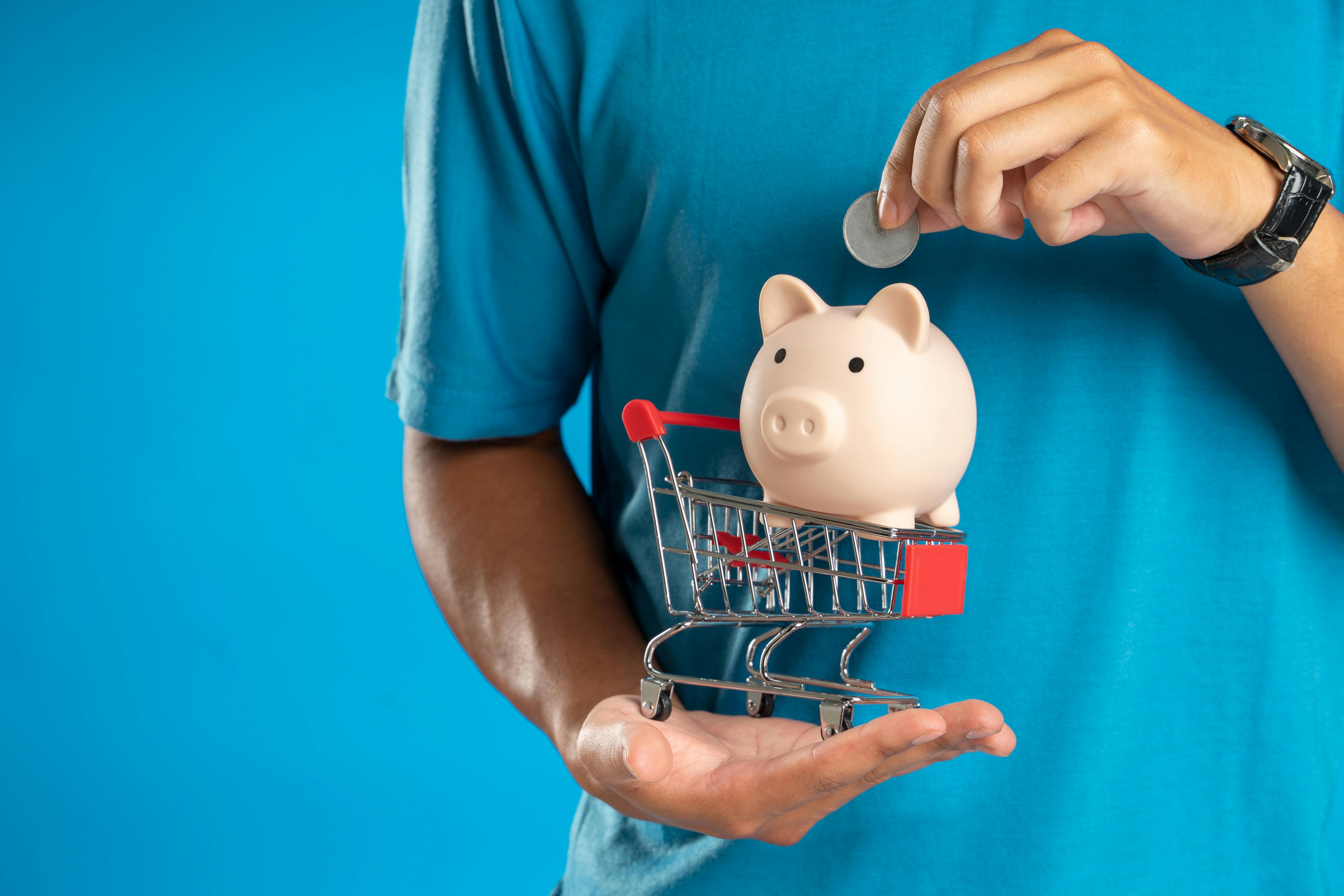
In 2026, grocery prices continue their upward trend, challenging household budgets across the nation. Discover how cutting-edge AI tools, personalized discount strategies, and savvy shopping habits can help you save significantly on your food budget. From AI-powered meal planning to subscription service comparisons, we reveal the best ways to combat inflation and maximize your grocery savings this year, ensuring you get more for less at the checkout.
Introduction to the Topic
Welcome to 2026, where the hum of smart appliances and the whisper of AI assistants are increasingly part of our daily lives. Yet, despite technological advancements, one persistent challenge remains for millions of households: the ever-rising cost of groceries. Global supply chain adjustments, fluctuating energy prices, and evolving agricultural patterns have kept food inflation stubbornly high, making the weekly grocery run a source of stress rather than a simple chore. For many, the traditional methods of coupon clipping and sale hunting no longer cut it. The question isn't just 'how do I save money?', but 'how do I save meaningfully in this new economic landscape?'
At targetweeklyspecial.com, we understand that every dollar counts. This comprehensive guide isn't just about minor tweaks; it's about a paradigm shift in how you approach grocery shopping. We'll dive deep into the innovative strategies and cutting-edge technologies emerging in 2026 that promise to revolutionize your food budget. From AI-driven personalized deals to optimized meal planning and smart purchasing decisions, prepare to unlock unprecedented savings and take back control of your grocery spending. Your pantry, and your wallet, will thank you.
Backgrounds & Facts
The economic climate of 2026 presents a unique set of challenges for consumers. Data from the National Household Expenditure Report (NHES) indicates that the average American household now spends nearly 15% more on groceries than they did just two years prior, a trend exacerbated by persistent inflationary pressures and dynamic pricing models. This isn't merely a bump; it's a sustained climb that demands a strategic response. Factors like climate change impacting crop yields, geopolitical tensions affecting global trade, and increased demand for sustainable, ethically sourced products (which often come at a premium) all contribute to this complex pricing environment.
Consumer behavior has shifted dramatically in response. A recent survey by 'FoodInsights 2026' reveals that 78% of shoppers actively seek out discounts and promotions, while 65% are willing to switch brands for better value. More critically, there's a growing reliance on digital tools: 55% of shoppers now use at least one grocery savings app regularly, up from 30% in 2023. This digital transformation isn't just about convenience; it's becoming a necessity for navigating the volatile market. The era of passive shopping is over; 2026 demands proactive, informed, and tech-savvy consumers who are ready to leverage every available tool to protect their budget from the rising tide of food costs. Understanding these underlying currents is the first step toward building a truly inflation-proof pantry.
Expert Opinion / Analysis
“The grocery landscape of 2026 is less about traditional aisles and more about data streams,” explains Dr. Anya Sharma, a leading consumer economist and author of 'The Algorithmic Pantry'. “Consumers who embrace predictive analytics and personalized AI assistants are seeing significant advantages. It’s no longer about finding a deal; it’s about having the deals find you, tailored precisely to your family’s needs and consumption patterns.” Dr. Sharma highlights the emergence of 'hyper-personalization' as a key trend. Retailers, armed with vast datasets on purchasing history, dietary preferences, and even real-time inventory, are deploying sophisticated AI to offer dynamic, individual-specific promotions that change by the hour.
Marcus Thorne, CEO of 'BudgetAI Solutions', a company specializing in AI-driven household finance management, adds, “The biggest mistake shoppers make in 2026 is treating grocery shopping like it’s 2016. The market is too fluid. AI-powered tools can now analyze your pantry contents via smart sensors, suggest recipes that minimize waste, cross-reference prices across every local store and online retailer, and even predict future price drops on items you regularly buy. This isn't just about saving money; it's about optimizing your entire food ecosystem for efficiency and sustainability.” Thorne also points to the growing popularity of 'community-supported agriculture 2.0' – digitally coordinated local food hubs that use AI to match farmer supply with consumer demand, cutting out middlemen and offering fresh produce at competitive prices. The consensus among experts is clear: the future of grocery savings is intelligent, integrated, and intensely personalized.
💰 Best Options in Comparison (VERY IMPORTANT)
Navigating the 2026 grocery market requires more than just good intentions; it demands strategic tools and informed choices. Here are the top options that savvy shoppers are leveraging to maximize their savings and combat inflation:
-
1. AI-Powered Meal Planning & Price Comparison Apps (e.g., SmartCart AI)
These next-generation applications are game-changers. Apps like 'SmartCart AI' (a leading platform in 2026) integrate with your smart pantry, analyzing existing inventory, suggesting recipes based on what you have and what's on sale, and then comparing prices across all major local and online grocery stores. It even factors in digital coupons and loyalty programs, building an optimized shopping list that guarantees the lowest total cost. Many offer subscription tiers for advanced features like predictive purchasing and dietary customization. Users report average savings of 20-30% on their weekly bills.
-
2. Optimized Meal Kit & Grocery Subscription Services
While often perceived as a luxury, strategically used meal kit and grocery subscription services can be highly cost-effective, especially for busy individuals or smaller households. Services like 'EcoPlate' or 'FreshBox Pro' (2026's answer to traditional meal kits) offer perfectly portioned ingredients, reducing food waste – a major hidden cost. The trick is to leverage introductory offers, rotate between services to maximize discounts, and pause subscriptions during weeks you plan to cook more extensively. Some services now offer 'flex-kits' where AI suggests recipes based on your existing pantry items, reducing the overall cost while still providing convenience. Compare their per-meal cost against your typical scratch-cooking expenses.
-
3. Strategic Bulk Buying & Community Food Hubs
For larger families or those with ample storage, bulk buying remains a powerful strategy. Warehouse clubs like Costco and Sam's Club continue to offer significant savings on non-perishables, toiletries, and even some fresh produce when bought in quantity. However, 2026 has seen a surge in 'Community Food Hubs' – local, digitally organized co-ops that pool purchasing power directly from farmers and wholesalers. These hubs use apps to manage orders and distribution, offering fresh, often organic produce and artisanal goods at prices significantly lower than supermarkets. The key here is to meticulously plan, ensure proper storage to prevent waste, and divide bulk purchases with friends or family if quantities are too large.
-
4. Hyper-Personalized Digital Couponing & Cashback Rewards (e.g., DealSense)
Forget sifting through physical flyers. 2026's 'DealSense' and 'CashBackBot 2.0' platforms take digital couponing to the next level. These AI-driven apps learn your purchasing habits and actively push hyper-personalized discounts and cashback offers directly to your device, often in real-time as you enter a store. They integrate seamlessly with loyalty programs and credit card rewards, automatically applying the best available deals at checkout or crediting your account with cashback. The goal is to maximize every transaction, turning everyday purchases into saving opportunities without manual effort.
To help you choose, here's a comparison of these top grocery savings strategies:
| Method/Tool | Key Benefit | Ideal User | Potential Drawbacks | Estimated Annual Savings | Call to Action |
|---|---|---|---|---|---|
| SmartCart AI (AI Meal & Price Planner) | Maximize savings, reduce waste, personalized shopping lists. | Tech-savvy, budget-conscious, seeks ultimate optimization. | Initial learning curve, requires consistent input (or smart pantry integration). | $1,000 - $2,500+ | Try SmartCart AI Free! |
| Optimized Meal Kits (e.g., EcoPlate) | Convenience, portion control, minimal waste, recipe inspiration. | Busy professionals, small households, learning to cook. | Can be pricey without strategic use of offers, less control over ingredients. | $400 - $1,500 | Compare Meal Kit Offers! |
| Bulk Buying & Community Food Hubs | Significant long-term savings, access to fresh local produce. | Large families, those with storage space, community-minded. | Requires storage, risk of food waste if not managed, upfront cost. | $800 - $2,000+ | Find a Local Food Hub! |
| DealSense (Personalized Digital Coupons & Cashback) | Effortless savings, real-time deals, maximizes existing purchases. | All shoppers, especially those who prefer minimal planning. | Requires app usage, can sometimes encourage impulse buys if not disciplined. | $300 - $1,000 | Get DealSense Now! |
Outlook & Trends
The future of grocery savings in 2026 and beyond promises even more integration and intelligence. We're on the cusp of widespread adoption for 'smart pantry' systems that not only track inventory but also monitor food freshness and suggest recipes before items expire. Imagine a world where your refrigerator automatically adds items to your SmartCart AI list, or even orders them for you via drone delivery for essential restocks.
Personalized nutrition is another emerging trend. Future grocery platforms will likely integrate with your health trackers and genetic data (with explicit consent, of course) to offer hyper-tailored meal plans and ingredient suggestions that optimize for both budget and well-being. Furthermore, the rise of hyper-local vertical farms and community-owned distribution networks will continue to reduce transportation costs and environmental impact, potentially offering fresher produce at lower prices directly to consumers. Gamified savings programs, where shoppers earn points or unlock exclusive deals for making sustainable or budget-friendly choices, are also on the horizon. The ongoing evolution of AI and automation suggests that the effort required to achieve significant grocery savings will only decrease, making smart shopping accessible to everyone.
Conclusion
In 2026, navigating the grocery store doesn't have to be a battle against rising prices. By embracing the power of AI-driven tools, strategically leveraging subscription services, making smart bulk purchases, and utilizing personalized digital discounts, you can dramatically reduce your food expenses. The era of passive shopping is over; the future belongs to the informed, tech-savvy consumer. Start by integrating one new strategy from this guide into your routine this week. Whether it’s downloading an AI meal planner or exploring a local food hub, taking action now is the key to unlocking substantial savings and building a resilient, inflation-proof pantry. Take control of your grocery budget today and enjoy the peace of mind that comes with smart, sustainable savings!