
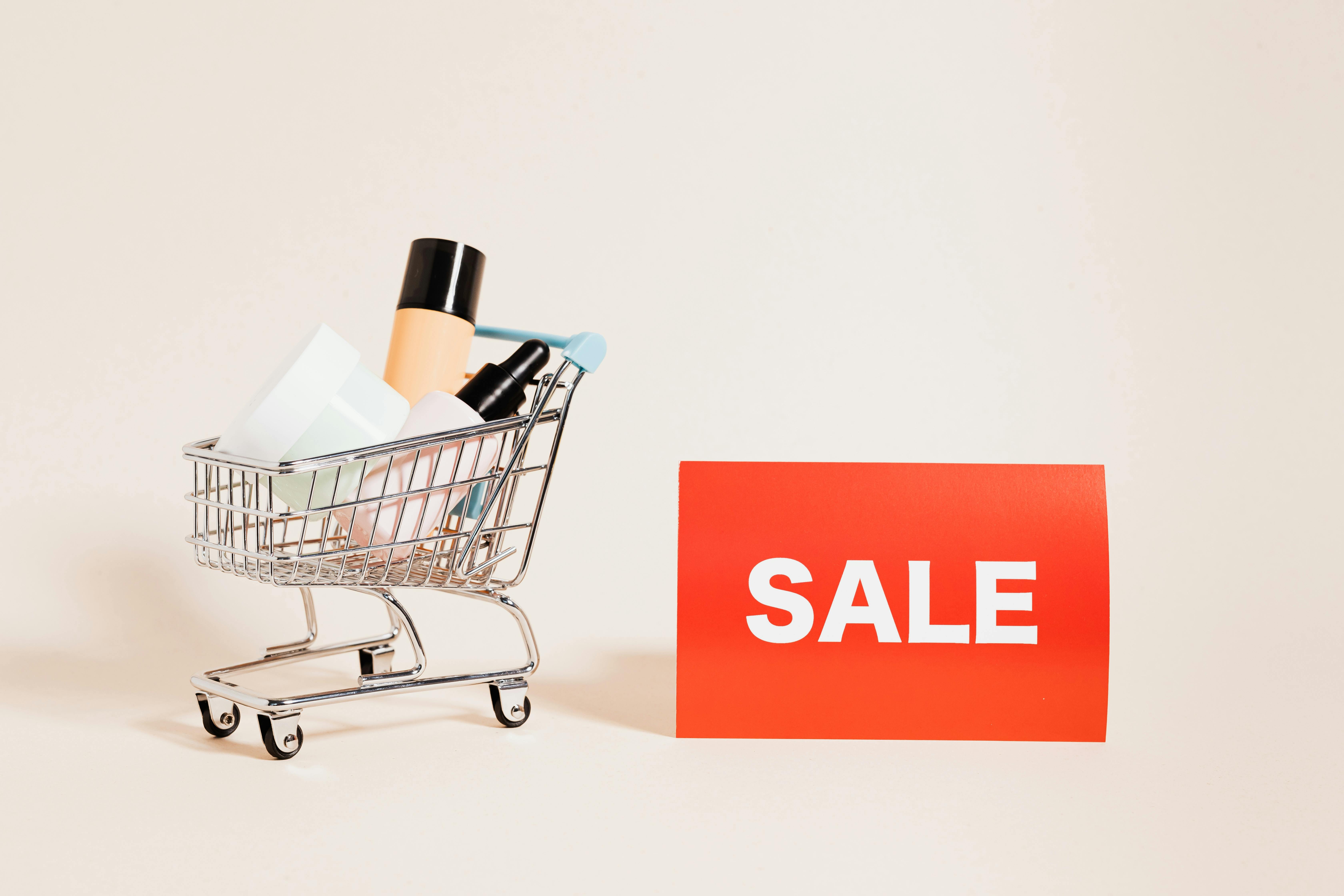
Supermarkets sell certain staples at prices that earn little or nothing. The practice makes sense because the item is not really what is being sold; the trip is.
A few prices decide the whole trip
Shoppers cannot hold hundreds of prices in mind, so they judge a store by a handful of familiar items whose cost they know well. Milk, bread, eggs and a few staples do most of that work.
Pricing those items aggressively creates an impression of cheapness that extends across the entire store, whether or not the rest of the range supports it.
The impression matters more than the individual saving, because it determines which store a household drives to each week rather than which item goes in one basket.
The basket restores the margin
A weekly shop contains a great many items, and most of them have no strong reference price attached. Prepared foods, household goods and speciality items carry the margin that staples give up.
Because the shopper is already in the store, those items are bought without comparison. The competitive decision was made at the door and is not revisited aisle by aisle.
Averaged across the basket, the store earns its normal return while advertising prices that appear to make that impossible.
Store layout supports the arithmetic
Staples are placed far from the entrance so that reaching them requires passing everything else, which converts a single-item errand into a fuller basket.
Related products are positioned near the path rather than near the staple, catching decisions made on the way rather than at the shelf itself.
None of this is hidden. It is simply infrastructure, built once and working continuously on every trip.
Suppliers share the cost
Promotional pricing is frequently funded in part by the supplier, who accepts a lower price in exchange for volume and prominent placement.
This is why the same brands rotate through featured positions rather than one brand holding them permanently, and why competing products alternate week to week.
The retailer therefore gives up less than the shelf edge suggests, and the supplier treats the difference as marketing spend.
Using the pattern without being used by it
A shopper who buys only the advertised staples genuinely captures the low price, since the offer is real and not conditional on anything else.
Doing so requires resisting the layout, which is designed specifically to prevent it, and a written list is the practical defence.
Comparing stores on a full basket rather than on headline items gives a truer ranking, because the items without reference prices are where the differences actually live.