
In 2026, Artificial Intelligence isn't just a buzzword; it's the invisible engine powering your most essential personal electronics. From smartphones that anticipate your needs to smartwatches that optimize your health and laptops that supercharge productivity, on-device AI is redefining convenience, privacy, and performance. Dive into our ultimate buyer's guide to the best AI gadgets of the year, compare top models, and discover how to invest in a truly smarter future.
Introduction to the Topic: The Dawn of Truly Intelligent Personal Tech
Welcome to 2026, where your gadgets don't just respond to commands – they anticipate your needs, learn your habits, and proactively enhance your daily life. The era of passive personal electronics is over. We've entered the age of truly intelligent personal tech, driven by a monumental leap in on-device Artificial Intelligence. This isn't the cloud-dependent AI of yesteryear; this is powerful, localized processing that brings unprecedented speed, privacy, and personalization directly to your fingertips.
For years, AI has been a background player, silently powering search engines, recommendation algorithms, and basic voice assistants. But the past two years have witnessed an explosion of dedicated Neural Processing Units (NPUs) and advanced machine learning models embedded directly into our smartphones, smartwatches, laptops, and even earbuds. This shift means your devices are now capable of complex AI tasks without constant internet connectivity, leading to instantaneous responses, enhanced data security, and a level of predictive assistance that borders on prescience.
Whether you're a busy professional seeking unparalleled productivity, a health enthusiast craving hyper-personalized insights, or simply someone who wants their tech to work smarter, not harder, understanding this AI revolution is paramount. This comprehensive guide will navigate the exciting landscape of 2026's AI-powered gadgets, helping you make informed purchasing decisions that will truly transform your digital experience and elevate your everyday.
Backgrounds & Facts: The Engine Room of On-Device AI
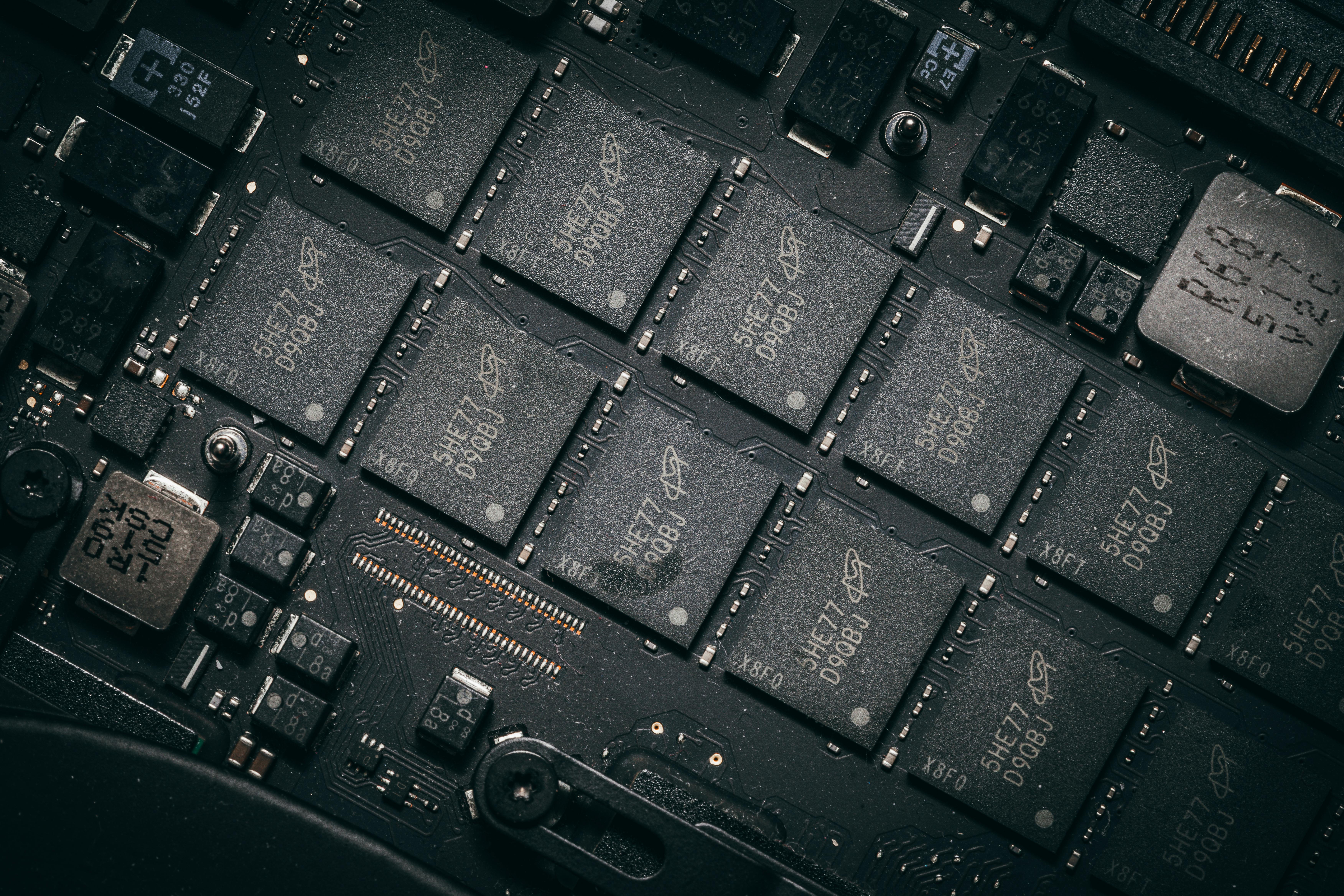
The journey to today's sophisticated on-device AI has been a rapid evolution. Historically, AI tasks were offloaded to powerful cloud servers, requiring constant internet access and raising concerns about data privacy and latency. The breakthrough came with the miniaturization and increased efficiency of specialized AI silicon – the Neural Processing Unit (NPU) or AI accelerator. First appearing in flagship smartphones a few years ago, these dedicated chips are now standard across most premium personal electronics.
What does an NPU do? Unlike a traditional CPU or GPU, an NPU is optimized for the parallel processing required by machine learning algorithms. This means it can handle tasks like real-time language translation, advanced image recognition, complex biometric analysis, and predictive text generation with incredible speed and minimal power consumption. For consumers, this translates to:
- Instantaneous Performance: AI features respond immediately, without the lag of sending data to the cloud and waiting for a response.
- Enhanced Privacy & Security: Your sensitive data (personal photos, health metrics, conversation patterns) can be processed and analyzed directly on your device, reducing the need to transmit it over networks.
- Offline Capabilities: Many advanced AI functions now work perfectly even when you're without an internet connection, from sophisticated photo editing to smart summaries of local documents.
- Personalized Learning: On-device AI can continuously learn from your unique usage patterns, adapting to your preferences and becoming more effective over time without sharing your intimate data with external servers.
Major tech giants have invested billions into developing proprietary NPUs and optimized AI frameworks. Apple's A-series and M-series chips, Google's Tensor processors, and Samsung's Exynos chips all feature powerful AI engines at their core. This fierce competition has accelerated innovation, pushing the boundaries of what's possible in a pocket-sized device. From intelligent battery management that learns your charging habits to hyper-realistic AI-generated content creation tools, the impact of on-device AI is pervasive and growing.
Expert Opinion / Analysis: The Privacy-Productivity Paradigm Shift
Industry experts agree: on-device AI is not just an incremental upgrade; it's a fundamental paradigm shift. "The move from cloud-centric to edge-AI processing is the most significant development in personal computing this decade," states Dr. Evelyn Reed, a leading AI ethicist and CEO of InnovateX Analytics. "It addresses two of the biggest user concerns simultaneously: privacy and immediate utility. Your device becomes a truly personal assistant, learning about you without necessarily reporting back to a central server."
This sentiment is echoed by tech analyst Michael Chen from GlobalTech Insights. "For years, we've talked about ambient computing and proactive assistance. With 2026's on-device AI, we're finally seeing it realized. Imagine a phone that automatically drafts replies to emails based on your style, a watch that predicts illness before symptoms appear, or a laptop that optimizes its performance for your next task before you even open the application. This isn't science fiction; it's the standard for premium devices now."
The battleground for consumer loyalty has shifted from raw specifications to the intelligence embedded within the ecosystem. Companies are differentiating themselves not just by camera megapixels or screen refresh rates, but by the sophistication, privacy, and seamlessness of their AI implementations. Apple's focus on 'Aura Intelligence' emphasizes privacy-first, integrated AI that anticipates user needs across its ecosystem. Samsung's 'Galaxy Nexus AI' highlights advanced on-device tools for creativity and communication. Google's 'Pixel Cognition' pushes the envelope in areas like real-time language translation and advanced photographic computational intelligence.
This competitive landscape benefits consumers directly. As brands vie for supremacy in AI capabilities, we're seeing features that were once speculative become commonplace, all while maintaining a strong emphasis on user control and data protection – a crucial aspect as AI becomes increasingly intimate with our lives.
💰 Best Options in Comparison (VERY IMPORTANT): Your 2026 AI Gadget Powerhouses
Choosing the right AI-powered device in 2026 means looking beyond individual specifications and considering the entire ecosystem and its AI philosophy. Here are our top picks for the most intelligent personal tech experiences this year, designed for users with purchasing intent:
-
Apple's Aura Intelligence Ecosystem: Seamless & Private Personalization
Apple's approach to AI in 2026, dubbed 'Aura Intelligence', is about invisible integration and privacy-first personalization across its entire product line. The iPhone 18 Pro, powered by the M5 chip, acts as the central hub, offering unparalleled on-device processing for tasks like advanced photo and video editing, hyper-personalized health insights from the Apple Watch X, and predictive productivity enhancements on the MacBook Pro (M5). Aura Intelligence learns your routines, anticipates communication needs, and intelligently manages notifications, all while keeping your data securely on your devices. Its standout features include 'Proactive Comms' which drafts context-aware message replies, and 'Health Sentinel' on the Watch X, which uses AI to detect subtle physiological changes indicating potential health issues weeks in advance. Ideal for users deeply embedded in the Apple ecosystem who prioritize seamless integration and ironclad privacy.
-
Samsung's Galaxy Nexus AI: Creative Freedom & Communication Mastery
Samsung's 'Galaxy Nexus AI' focuses on empowering users with advanced creative and communicative tools directly on their devices. The Galaxy S27 Ultra, featuring Samsung's latest Exynos AI processor, boasts 'Creator Canvas AI' for on-device, real-time video editing and generative image enhancements, and 'Universal Translate' for seamless, real-time voice and text translation in over 50 languages, even offline. Paired with the Galaxy Watch 8's 'Wellness Coach AI' that provides personalized fitness and stress management plans, and the Galaxy Book 5's 'Intelligent Workspace' which optimizes app performance based on your workflow, Samsung offers a robust, open ecosystem. This is perfect for power users, content creators, and global communicators who demand cutting-edge AI for productivity and creative expression.
-
Google's Pixel Cognition: Visionary Intelligence & Smart Assistance
Google's 'Pixel Cognition' pushes the boundaries of what a device can see, hear, and understand. The Pixel 10 Pro, with its next-gen Tensor G5 chip, excels in 'Visual Intelligence AI', offering unmatched computational photography (including advanced light synthesis for perfect low-light shots) and 'Contextual Search' that can answer complex queries based on what's currently on your screen or in your immediate environment. The Pixel Watch 4 integrates 'Mood Mapper AI' which analyzes biometric data and calendar entries to suggest stress-reduction techniques or activity breaks. While Google's laptop strategy varies, high-end Chromebooks often feature deep integration with Google's cloud AI, complemented by significant on-device processing for tasks like transcription and smart document organization. The Pixel ecosystem is ideal for users who prioritize bleeding-edge AI for photography, language processing, and a truly proactive digital assistant experience.
| Feature | Apple Aura Intelligence | Samsung Galaxy Nexus AI | Google Pixel Cognition |
|---|---|---|---|
| Primary Device Example | iPhone 18 Pro | Galaxy S27 Ultra | Pixel 10 Pro |
| Core AI Philosophy | Seamless, privacy-first, proactive integration across ecosystem. | Empowering creative freedom, communication, and productivity tools. | Visionary intelligence for perception, language, and smart assistance. |
| Key AI Features | Proactive Comms, Health Sentinel, intelligent notification management, deep photo/video AI. | Creator Canvas AI, Universal Translate, Wellness Coach AI, Intelligent Workspace. | Visual Intelligence AI (computational photography), Contextual Search, Mood Mapper AI, advanced transcription. |
| Ecosystem Integration | Deeply integrated with iOS, iPadOS, macOS, watchOS for unified experience. | Strong integration within Galaxy devices (phone, watch, tablet, PC) and open Android platform. | Seamless with Google services, Android, and Chromebooks; strong cloud-to-device synergy. |
| Privacy Approach | Emphasis on on-device processing, minimal data sharing, user control. | Significant on-device processing, user configurable data sharing options. | Combines on-device AI with secure cloud processing for optimal performance and privacy. |
| Best For | Users prioritizing seamless, private, and highly integrated personal assistance. | Content creators, multilingual users, power users seeking robust creative and communication tools. | Photography enthusiasts, early adopters of bleeding-edge AI, users wanting the smartest digital assistant. |
| Price Range (Primary Device) | Premium ($999 - $1499+) | Premium ($899 - $1399+) | High-end ($799 - $1199+) |
Outlook & Trends: The Future is Ambient, Adaptive, and Ethical
Looking ahead, the trajectory of AI in personal electronics points towards an even deeper, more ambient integration. By the end of the decade, our devices won't just be smart – they'll be near-sentient companions, anticipating our needs before we even articulate them. We can expect several key trends to define the next wave of AI innovation:
- Ambient Computing & Proactive Wellness: Imagine a home and personal devices that collectively understand your mood, energy levels, and health status, proactively adjusting lighting, suggesting breaks, or even ordering groceries based on your detected needs. Wearables will evolve into sophisticated diagnostic tools, using AI to predict health issues with remarkable accuracy.
- Hyper-Personalized Learning & Skill Augmentation: AI will become an even more powerful personal tutor and skill-enhancer. From real-time feedback on your golf swing to personalized language lessons adapting to your learning style, AI will unlock new levels of personal development.
- Generative AI Beyond Text: While current generative AI focuses on text and images, future on-device AI will fluidly create complex 3D models, entire video sequences, and even personalized musical compositions based on simple prompts, all processed locally for speed and privacy.
- Ethical AI & Explainability: As AI becomes more powerful, the focus on ethical development and 'explainable AI' will intensify. Users will demand transparency in how their data is used and how AI makes decisions, leading to more robust controls and clear communication from manufacturers.
- Sustainable AI: With growing environmental concerns, expect a push towards more energy-efficient NPUs and AI models that require less computational power, contributing to longer device lifespans and reduced carbon footprints.
The convergence of AI with augmented reality (AR) and virtual reality (VR) also holds immense potential. Imagine smart glasses with AI that provides real-time contextual information about your surroundings or translates conversations directly into your field of view. The possibilities are truly boundless.
Conclusion: Invest in Your Smarter Future Today
The year 2026 marks a pivotal moment in personal technology. On-device AI has moved from a theoretical concept to a tangible reality, transforming how we interact with our most essential gadgets. This isn't just about faster processors or prettier screens; it's about devices that truly understand and adapt to us, offering unprecedented levels of convenience, productivity, and personal insight.
Whether you prioritize the seamless, privacy-focused integration of Apple's Aura Intelligence, the creative and communicative power of Samsung's Galaxy Nexus AI, or the visionary intelligence of Google's Pixel Cognition, there's an AI-powered ecosystem designed to elevate your digital life. The choice depends on your specific needs, existing tech affiliations, and what you value most in a personal assistant that lives in your pocket, on your wrist, or on your desk.
Don't get left behind in the digital dust. Embrace the future of intelligent personal tech. Review our comparisons, consider your priorities, and invest in an AI-powered gadget that will not only meet your needs but anticipate them, making 2026 the year your technology truly works for you. Your smarter future starts now!